

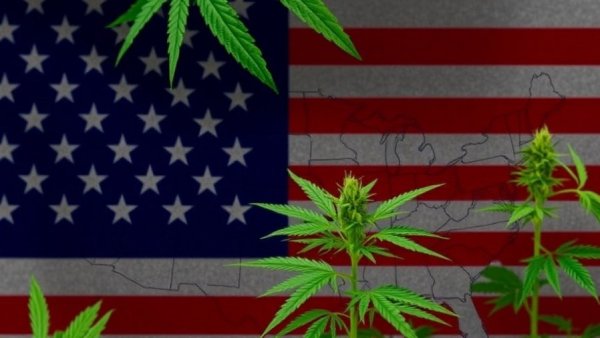
The Political Landscape for Cannabis Legislation
The recent Democratic sweep in the U.S. midterm elections has reshaped the political map and has sparked renewed discussions around cannabis legislation. Initially, it seemed that a Democratic majority would pave the way for significant legislative change. However, the reality is more complicated, as past bipartisan efforts to pass cannabis banking reforms have often stalled, regardless of the majorities in Congress.
What Does This Mean for Cannabis Professionals?
For executive cannabis professionals, the implications are substantial. While the potential for progress exists with key figures, such as Ohio Senator Sherrod Brown returning to the Senate, the actual legislative path remains murky. As Anthony Coniglio, CEO of NewLake Capital Partners notes, the previous stalling of initiatives like the SAFE Banking Act underscores that leadership changes alone do not guarantee progress. Still, with the new congressional balance, opportunities for federal change could emerge.
Rescheduling and Its Impact on the Industry
The announcement from Attorney General Todd Blanche in April 2026 to reschedule state-licensed medical cannabis to Schedule III represents a major shift for the industry, indicating that substantial changes can occur even without Congress's direct involvement. This adjustment acknowledges the burgeoning legal cannabis market, generating over $29 billion annually and supporting hundreds of thousands of jobs.
Long-Term Predictions for Cannabis Legislation
As cannabis professionals, it's crucial to remain optimistic while pragmatic. Although the political environment suggests a readiness for change, it will take considerable effort to translate that enthusiasm into actionable reforms. Engaging proactively with incoming lawmakers and emphasizing the economic benefits of legal cannabis will be key in advancing the dialogue toward meaningful legislative outcomes.
The Call for Action
Moving forward, cannabis advocates must maintain pressure on legislators and take ownership of the narrative around cannabis reform. At this critical juncture, fostering bipartisan relationships and investing in solid advocacy strategies can transform the cannabis landscape. As we look ahead, it’s essential to harness this wave of political change to foster a more supportive environment for the cannabis industry.



Write A Comment