

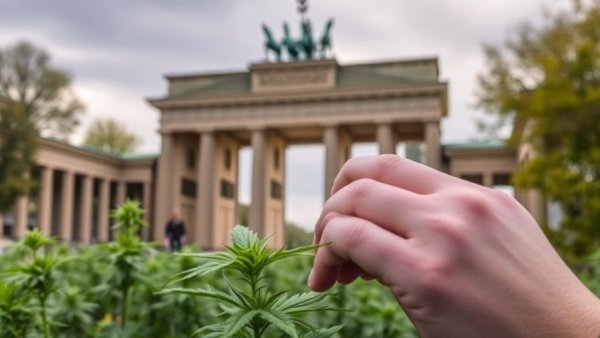
Understanding the Debate: Cannabis Restrictions in Germany
Recently, the inaugural Cannabis Health Symposium in Germany spotlighted the local industry’s leading voices who are calling for a balanced dialogue regarding proposed medical cannabis restrictions. Representatives from notable industry players such as Grünhorn Group and Bloomwell Group came together to dissect the government’s claims of rampant abuse in the system, highlighting a significant gap between perception and data.
Industry Voices Speak Out
At the symposium, it became painfully clear that stakeholders are eager for clarity amidst the uncertainty created by federal rhetoric. The proposed amendments, which entail stricter regulations such as mandating in-person consultations for initial cannabis prescriptions and a ban on mail-order pharmacies for cannabis products, have been met with fierce opposition. Matthias Mieves, an advocate for cannabis telemedicine platforms, underscored the urgency of listening to the sector's concerns, stating that this legislation, if passed, could severely shrink the German market by up to 50%. Such potential ramifications would undoubtedly hurt patients who rely on easy access to their medicinal treatments.
A Call for Nuanced Understanding
As panel moderator Tobias Bosse from Grünhorn Group pointed out, the industry is not in denial about the flaws that exist. He acknowledged that while there have been serious missteps, concluding that these misdeeds represent the entire sector distorts reality. Examples given included a data breach involving 1.7 million patient records and dubious marketing practices by certain telemedicine platforms. Bosse stressed, “We can't let the bad apples spoil the whole basket.” His argument posits that instead of blanket restrictions, the focus should be sharpened on accountability and improved practices among those causing issues.
The Patient Perspective and Future Impact
The fears of many remain rooted in the potential loss of access. A study presented by Grünhorn mapped cannabis-distributing pharmacies against population density and determined that over 70 million Germans live more than 20 kilometers from a specialized pharmacy. This calculation emphasizes how critical mail-order options are for patients if they wish to maintain their prescriptions. For vulnerable populations such as the elderly and those without access to reliable transportation, these restrictions could push them back to illegal market options—noncompliance with the very laws meant to protect them.
Pharmacy Challenges and the Future of Medical Cannabis
Dr. Christiane Neubauer, representing the Association of Cannabis-Supplying Pharmacies, expressed frustration over the shifting responsibilities placed on pharmacists to scrutinize how prescriptions are generated. She remarked, “This is not our job,” emphasizing that pharmacists are meant to dispense medication, not police the validity of each prescription. This sentiment was shared broadly across the symposium, reflecting the importance of clear guidelines and responsibilities to support rather than hinder patient access.
Moving Forward
The conversation around cannabis in Germany is far from over. With proposed measures currently blocked and speculation about a decision not arriving until late 2026, now is the time for industry professionals to rally together. Engaging in productive dialogues with policymakers could shape a more informed approach that prioritizes patient health over punitive regulations.
As the industry navigates these turbulent waters, stakeholders are encouraged to make their voices heard. Engage with local advocacy groups, educate those in your community on the realities of cannabis use, and work towards sustainable solutions that ensure all patients can access necessary medications without fear of restriction.





Write A Comment