

cropper
National Cannabis Newswire
  • Home
  • Categories
    • news
    • trends
    • insights
    • industry
    • legalization
    • health
    • culture
    • advocacy
    • Brands
    • New Mexico Dispensaries
    • Arizona Dispensaries
November 15.2026
2 Minutes Read

Senate Moves to Protect State Medical Marijuana Programs Amid Legal Debate

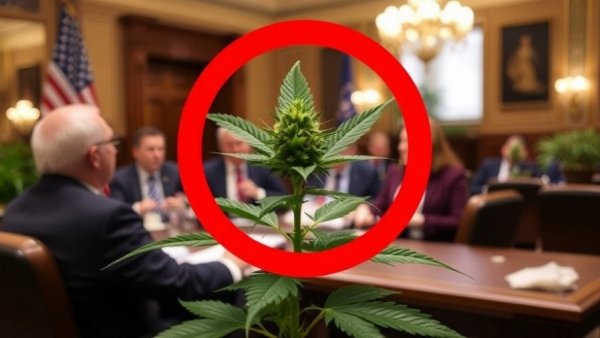
USA: Senate Panel Proposes Extending State Medical Marijuana Protections, Without House’s Anti-Rescheduling Provision

Understanding the Senate's Proposal for Medical Marijuana Protections

The Senate Appropriations Committee has made headlines by proposing to extend crucial federal protections for state medical marijuana programs. This initiative aims to safeguard these programs from federal interference as outlined in a rider that has been part of federal law since 2014. This continued support is particularly relevant for states that have embraced medical cannabis, enhancing their ability to operate without fear of federal crackdown.

Delving into the Legislative Nuances

While the Senate's proposal is a victory for advocates of medical marijuana, it notably diverges from a crucial aspect of legislation put forth by the House of Representatives. Specifically, the Senate is not supporting the House's provision that seeks to impede federal officials from enacting the cannabis rescheduling as suggested by the previous administration. This distinction raises important questions about the future landscape of cannabis legislation, particularly in terms of how cannabis is classified and regulated at the federal level.

The Importance of State-Run Programs

State medical marijuana programs have become increasingly important as more states legalize cannabis for medicinal purposes. By endorsing protections against federal encroachments, the Senate is recognizing the significant public health needs being addressed by these state-run programs. Without federal protection, state legalities could be fluctuated by changes in presidential administrations, creating uncertainty for patients and providers alike. This proposal aims to bring a measure of stability amidst the ongoing debates surrounding cannabis legalization.

Concerns Over Product Seizures

Another key aspect of the Senate's proposal requests explanations from federal officials regarding the recent seizures of products from cannabis businesses operating legally within their states. This is a crucial point of contention as businesses face the dual challenge of adhering to state laws while navigating a federal landscape that often contradicts those laws. Such seizures not only disrupt the legitimate operations of these businesses but also affect patients relying on their health products.

Looking Ahead: The Future of Cannabis Legislation

As discussions around cannabis continue to evolve, it is imperative for both legislative bodies to engage in constructive dialogue. With various stakeholders weighing in on this issue, understanding the implications of these legislative moves is critical. It is hopeful that a collaborative approach can lead to a comprehensive strategy that serves both the legal and health interests of patients using medical marijuana across the nation.

health

2 Views

0 Comments

Write A Comment

*
*
Please complete the captcha to submit your comment.
Related Posts All Posts

Navigating CRISPR Cannabis: The Patent Fight's Impact on Your Operations

Update Understanding the CRISPR Technology in Cannabis Development CRISPR technology, which stands for Clustered Regularly Interspaced Short Palindromic Repeats, has revolutionized various fields of scientific research, notably agriculture. Specifically, in cannabis, CRISPR allows researchers to alter the genetic makeup of plants, enhancing traits such as cannabinoid production. Released in 2018, the chromosome-level genome assembly of Cannabis sativa provides a comprehensive blue print for these modifications, enabling researchers to target specific genes crucial for cannabinoid biosynthesis. This technological advance marks a shift in how cannabis cultivators view the crop—transitioning from traditional breeding methods to advanced biotechnological approaches. The Landscape of Intellectual Property Rights As cannabis genetics come under the microscope of patent law, the CRISPR-related IP landscape becomes increasingly complex. Just like the battles for control over crops such as corn and soybean, the cannabis sector is now grappling with similar challenges. With the Broad Institute's ongoing claims of priority on CRISPR-Cas9 technology in eukaryotic cells, cannabis companies—especially those looking to innovate using this technology—must navigate through a maze of legal and operational regulations. This reality underscores the importance of understanding intellectual property rights as it pertains not only to legal compliance but also to strategic positioning in the marketplace. Freedom to Operate: A Crucial Consideration The concept of “freedom to operate” is pivotal for cannabis companies exploring CRISPR technologies. This term refers to the ability of a business to develop and market its products without infringing existing patents. Licensing agreements, mergers, and acquisitions hinge on clear delineations of freedom to operate, making it essential for companies to conduct thorough intellectual property due diligence. Organizations that dismiss this aspect risk facing litigation, which can drastically affect their operational capabilities and market strategies. Regulatory Implications for CRISPR-Edited Cannabis The regulatory landscape surrounding gene-edited cannabis is also evolving, especially following significant rulings, such as the SECURE Rule vacatur. Cannabis cultivators must stay informed about how their products are classified under biotechnology regulations, as these classifications can dictate market entry strategies and product development timelines. Understanding how to navigate these regulatory hurdles could significantly influence a company’s success in leveraging CRISPR technology. The Future of Cannabis Cultivation Looking ahead, the integration of CRISPR technology in cannabis cultivation heralds both opportunities and challenges. As new genetic editing techniques blossom, the ability for cultivators to produce high-quality strains may lead to unprecedented market shifts. However, these advancements will also attract scrutiny and potential legal challenges as the industry seeks to define its future. As cannabis becomes more akin to traditional agricultural biotech crops, staying ahead of IP and regulatory trends will be essential for any cultivator keen on shaping the future landscape of this burgeoning sector. In conclusion, the exploration of CRISPR in the cannabis industry is not merely a scientific endeavor but a complex interplay of technology, law, and entrepreneurship. As cannabis operators look toward innovating their products, understanding the implications of intellectual property rights and regulatory frameworks will be key. Engaging with these developments now can prepare businesses for the challenges and opportunities that lie ahead.

December 11 Deadline Could Threaten Access to Hemp Products

Update The Impending Deadline: What It Means for Hemp ProductsA single date, December 11, looms over the hemp industry, promising radical changes to the market. On this date, any hemp-derived product containing more than 0.4 milligrams of THC per container will be classified as a Schedule I narcotic under federal law. This deceptively small threshold effectively jeopardizes the legality of numerous products currently available in stores. For those who rely on these products for their wellness routines, the clock is ticking.The Ripple Effect of Regulatory ChangesThe imminent reclassification is a stark reminder of how a single definitional line can drastically alter consumer access to legal products. Similar to what has been observed in the regulated online gaming market in the Arabic-speaking world, this last-minute change presents a precarious landscape for businesses and consumers alike. Keith Johnson, a leading analyst in both the hemp and gaming industries, explained, "Legal definitions can pivot abruptly—one milligram can shift a product from simple legality to stringent control overnight." As the push toward compliance intensifies, industry players must scramble to adjust their offerings or face falling out of favor with the law.The Human ConsequencesAs the deadline approaches, experts warn of the human toll this reclassification will pose. John R. Gordon of the American Alternative Care Policy Network strongly articulates the impact: "These products are going to disappear overnight." People who have incorporated hemp products into their daily lives—veterans managing PTSD symptoms, medical patients coping with chronic pain, and seniors benefiting from CBD—are potentially losing vital components of their wellness regimens. Without alternatives, they may find themselves adrift as the products they trust are suddenly withdrawn from the market.Industry Perspectives and ChallengesThe hemp industry, now a multibillion-dollar market, was born from the 2018 Agriculture Improvement Act, which initially separated legal hemp from marijuana based on THC concentration. Bill Morachnick, CEO of Charlotte’s Web, has pointed out the severe challenges ahead: "Producing full-spectrum hemp products with less than 0.4 milligrams is nearly impossible." This significant regulatory change reflects a broader trend of rapid shifts in legislative landscapes impacting both compliance and consumer rights.Community Response and AdvocacyAdvocates are rising to the occasion, bringing attention to the plight of those who depend on these products. With the potential loss of thousands of hemp-derived items until a more stable legal framework is established, community voices are becoming increasingly critical. Nicole Hemmenway, CEO of the U.S. Pain Foundation, emphasized the stakes, stating that for some patients, full-spectrum CBD represents a breakthrough in their care. "Removing that access could regress many people back to relying on more harmful medications," she warned, highlighting the urgent need for legislative support and consumer advocacy.Moving Forward: The Path to ResolutionAs the countdown to December 11 continues, industry participants and consumers alike are eagerly awaiting any interventions that could either delay this directive or pave the way for alternatives that maintain product legality. Immediate discussions surrounding this topic are crucial for creating dialogue with lawmakers who can address these emergent challenges. Stakeholders must work collectively to ensure that prior gains in legal hemp production are not lost due to abrupt regulatory changes.Join the ConversationThis is not just an industry issue; it is a matter affecting thousands of lives across the country. If you believe in maintaining access to these vital wellness products, consider engaging with local legislators to express your concerns. Bring your voice to advocacy efforts to ensure that patient needs remain a priority in legislative decisions!

Hemp Retailers Face Compliance Changes: Key Dates and Insights

Update A New Era for Hemp Retail: Understanding Compliance Changes As the cannabis landscape evolves, hemp retailers face a dual challenge in November 2026: navigating a shifting regulatory environment while ensuring their inventory complies with fresh standards. The recently enacted changes to how hemp is defined at the federal level will take place in stages, with significant implications for retailers starting in just a few weeks. The Timeline of Changes: What to Know Beginning on November 12, 2026, exclusions concerning certain cannabinoids that the cannabis plant cannot naturally produce will come into effect. This represents the initial round of compliance measures that hemp retailers will need to heed, followed by more extensive changes on December 11, 2026. A critical part of these adaptations lies in understanding the new total-THC standard, which mandates a concentration of no more than 0.3% by dry weight while including THCA. Federal vs. State Regulations: A Complicated Landscape While these federal adjustments are intended to standardize hemp product definitions, individual states retain the right to impose stricter regulations regarding the sale and composition of hemp products. These new definitions do not extend a blanket approval to all products that meet federally defined numerical limits. Retailers must remain acutely aware of both local laws and federal guidelines which could impose unique constraints on product types and sales practices. What Retailers Need to Do Now The task ahead for hemp retailers includes re-evaluating inventory via third-party certificates of analysis (COAs) to verify compliance. Each COA provides a snapshot of a product’s cannabinoid content, but retailers need to investigate whether the lab report directly corresponds to the current batch of products on their shelves. Notably, a COA that mentions delta-9 THC percentages might not reveal the total cannabinoid profile essential for assessing new compliance rules. Enhancing Decision-Making with Accurate Data To avoid costly mistakes, retailers should ensure their testing reports accurately reflect the product characteristics necessary under the updated definitions. For instance, if a product contains THCA, retailers must identify their batches and ensure that the COA explicitly separates delta-9 THC and THCA content. Furthermore, keeping abreast of modifications in regulatory language and scope will allow retailers to adjust their strategies proactively. The Path Forward: Being Proactive in Compliance As these compliance splits unfold, retailers are encouraged to delve deep into both the upcoming federal changes and their state-specific regulations to avoid penalties and protect their business interests. It is imperative for retailers to establish robust processes for managing compliance documentation and product testing to ensure they meet the evolving legal landscape. With ongoing education and dedication to compliance, hemp retailers can maintain their positions in the industry as the legal definitions of hemp continue to shift. The proactive establishment of compliance protocols and vigilant inventory assessments will be crucial during this transitional period.

National Cannabis Newswire
National Cannabis Newswire keeps you informed, empowered, and connected to the Cannabis community.

COMPANY

  • Privacy Policy
  • Terms of Use
  • Advertise
  • Contact Us
  • Menu 5
  • Menu 6

480.878.1919

AVAILABLE FROM 8AM - 5PM PST

Contact

11504 W Piccadilly Rd,
Avondale, AZ 85392,

ABOUT US

Your source for breaking cannabis industry news, expert insights, and nationwide updates—National Cannabis Newswire keeps you informed, empowered, and connected.

© 2026 CompanyName All Rights Reserved. Address . Contact Us . Terms of Service . Privacy Policy

Terms of Service

Privacy Policy

Core Modal Title

Sorry, no results found

You Might Find These Articles Interesting

T
Please Check Your Email
We Will Be Following Up Shortly
*
*
*