

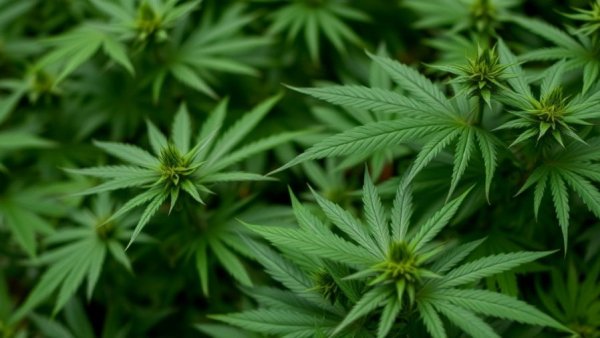
The Impending Deadline: What It Means for Hemp Products
A single date, December 11, looms over the hemp industry, promising radical changes to the market. On this date, any hemp-derived product containing more than 0.4 milligrams of THC per container will be classified as a Schedule I narcotic under federal law. This deceptively small threshold effectively jeopardizes the legality of numerous products currently available in stores. For those who rely on these products for their wellness routines, the clock is ticking.
The Ripple Effect of Regulatory Changes
The imminent reclassification is a stark reminder of how a single definitional line can drastically alter consumer access to legal products. Similar to what has been observed in the regulated online gaming market in the Arabic-speaking world, this last-minute change presents a precarious landscape for businesses and consumers alike. Keith Johnson, a leading analyst in both the hemp and gaming industries, explained, "Legal definitions can pivot abruptly—one milligram can shift a product from simple legality to stringent control overnight." As the push toward compliance intensifies, industry players must scramble to adjust their offerings or face falling out of favor with the law.
The Human Consequences
As the deadline approaches, experts warn of the human toll this reclassification will pose. John R. Gordon of the American Alternative Care Policy Network strongly articulates the impact: "These products are going to disappear overnight." People who have incorporated hemp products into their daily lives—veterans managing PTSD symptoms, medical patients coping with chronic pain, and seniors benefiting from CBD—are potentially losing vital components of their wellness regimens. Without alternatives, they may find themselves adrift as the products they trust are suddenly withdrawn from the market.
Industry Perspectives and Challenges
The hemp industry, now a multibillion-dollar market, was born from the 2018 Agriculture Improvement Act, which initially separated legal hemp from marijuana based on THC concentration. Bill Morachnick, CEO of Charlotte’s Web, has pointed out the severe challenges ahead: "Producing full-spectrum hemp products with less than 0.4 milligrams is nearly impossible." This significant regulatory change reflects a broader trend of rapid shifts in legislative landscapes impacting both compliance and consumer rights.
Community Response and Advocacy
Advocates are rising to the occasion, bringing attention to the plight of those who depend on these products. With the potential loss of thousands of hemp-derived items until a more stable legal framework is established, community voices are becoming increasingly critical. Nicole Hemmenway, CEO of the U.S. Pain Foundation, emphasized the stakes, stating that for some patients, full-spectrum CBD represents a breakthrough in their care. "Removing that access could regress many people back to relying on more harmful medications," she warned, highlighting the urgent need for legislative support and consumer advocacy.
Moving Forward: The Path to Resolution
As the countdown to December 11 continues, industry participants and consumers alike are eagerly awaiting any interventions that could either delay this directive or pave the way for alternatives that maintain product legality. Immediate discussions surrounding this topic are crucial for creating dialogue with lawmakers who can address these emergent challenges. Stakeholders must work collectively to ensure that prior gains in legal hemp production are not lost due to abrupt regulatory changes.
Join the Conversation
This is not just an industry issue; it is a matter affecting thousands of lives across the country. If you believe in maintaining access to these vital wellness products, consider engaging with local legislators to express your concerns. Bring your voice to advocacy efforts to ensure that patient needs remain a priority in legislative decisions!



Write A Comment