

cropper
National Cannabis Newswire
  • Home
  • Categories
    • news
    • trends
    • insights
    • industry
    • legalization
    • health
    • culture
    • advocacy
    • Brands
    • New Mexico Dispensaries
    • Arizona Dispensaries
November 24.2026
3 Minutes Read

Hemp Industry’s Reckoning: How Self-Regulation Could Save It

Next Month’s Federal Hemp Ban Is A ‘Self-Inflicted Wound’ On An Industry That Refused To Regulate Itself (Op-Ed)

Hemp Industry: A Self-Inflicted Quandary

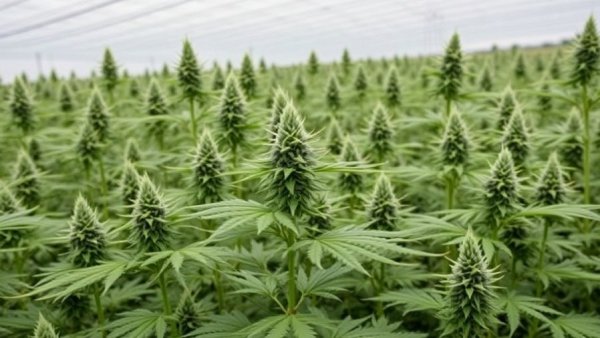
The hemp industry is at a critical juncture, and as debates intensify about the upcoming federal hemp ban, it’s becoming increasingly clear that the roots of this predicament run deep in a history of self-neglect. What was once hailed as a promising crop that could revitalize Kentucky farms has spiraled into chaos, fueled by unchecked growth, over-promise, and a lack of regulation.

Coping with Consequences: A Personal Story

In 2025, my grandson's story became a chilling reminder of the industry’s impact on public health. After consuming Delta-8 THC purchased online, he experienced a psychotic break that landed him in a children’s hospital. This wasn’t an isolated incident but part of a larger pattern of alarming health incidents linked to easily accessible hemp-derived products. Parents across the nation are left feeling helpless as they see psychedelic products marketed explicitly to children.

The Rise and Fall: The Flaws in the Farm Bill

The 2018 Farm Bill sparked a renewed interest in hemp, but it also created loopholes that led to a rapid and sometimes reckless expansion. Farmers were thrilled at the prospect of growing hemp but few foresaw the consequences of over-planting. As processors failed to develop sustainable markets, businesses collapsed, leaving farmers with millions in debt and excess product, much of which became the raw material for Delta-8 THC.

Emotional and Human Voices in the Hemp Debate

Each statistic about the increase in hemp consumption has a face; every line of data can lead back to families and children affected by this surge. For instance, the Ninth Circuit Court's ruling that allowed THC variants to proliferate without oversight has led to a burgeoning market where safety is seemingly an afterthought. Children can access these potent compounds easily, while caring discussions about responsible usage are pushed aside.

Looking Forward: A Call for Responsibility

If the hemp industry wishes to survive the upcoming ban, accountability must take precedence. Regulation is not a punishment but a pathway towards rebuilding trust with consumers and ensuring public safety. By recognizing the need to self-regulate, the hemp industry can shift from a narrative of chaos to one of community responsibility and health consciousness.

A Community-Oriented Approach

To ensure the industry thrives, it is crucial for businesses to engage with local communities and heed their concerns about the social implications of cannabis products. States like New Mexico and Arizona are taking steps to empower communities, but a more uniform national discourse is necessary. Advocating for smart, safety-driven legislation can bring holistic solutions to the hemp industry.

Behind the legislative battles and debates about cannabis industry voting, there lies a unique opportunity for the beauty industry, a sector that often intersects with health and wellness narratives. As consumers, enthusiasts can support brands that approach hemp responsibly, reinforcing ethical practices that prioritize safety and transparency.

As we reflect on the turmoil within the hemp industry, let’s unite to advocate for a future that embodies not only agricultural potential but also community safety and well-being.

news

4 Views

0 Comments

Write A Comment

*
*
Please complete the captcha to submit your comment.
Related Posts All Posts

How Massachusetts Police Officers Are Shaping Cannabis Legalization Discussions

Update The Shift in Law Enforcement Perspectives on Cannabis LegalizationIn a recent survey commissioned by the Law Enforcement Action Partnership (LEAP), almost every respondent from Massachusetts law enforcement showed support for maintaining legal cannabis sales, a noticeable turnaround from previous years. In a state where cannabis legalization was once met with skepticism, the attitudes toward its regulation are evolving—92% of police officers chose to keep a licensed market, reflecting a significant change from the opposition seen in early legalization efforts. As Massachusetts voters rejected Question 8, aimed at ending legal cannabis sales by 2028, the implications of this vote resonate throughout the cannabis community.The Concerns Behind the Survey ResultsWhile many officers expressed support for current cannabis sales, they also voiced legitimate concerns about public safety and the consequences of reverting back to an unregulated market. For instance, dangers include a predicted rise in the sale of contaminated products (84%) and a boom in unlicensed sales (79%). This highlights the nuanced views held by law enforcement, who prioritize protecting the public while understanding the practicalities of cannabis regulation. Surprisingly, 70% of those surveyed believed that prohibition would make it easier for minors to access cannabis, indicating deeper reflections on how accessibility intertwines with legality.The Disconnect on Question 8Despite the overwhelming support for maintaining cannabis sales, the survey revealed a split regarding Question 8, with 44% of officers opposing the measure while 38% supported it. This divergence sheds light on a complicated relationship with cannabis regulation; officers who favored the existing legal framework felt their concerns about the specifics of the proposed repeal might have influenced their response. The complexities demonstrate that while law enforcement recognizes the benefits of regulation, they also grapple with frustrations tied to current policies.Looking Forward: What This Means for MassachusettsAs Massachusetts continues to evolve within the cannabis landscape, these recent insights from law enforcement can impact public sentiment and policymaking. The police officers’ preference for licensed sales underscores the importance of having a regulated environment to monitor and control cannabis distribution. Their preference for community engagement over drug-related offenses (48% vs. 19%) highlights a trend toward prioritizing relationships and crime prevention over punitive measures, reflecting a shift in policing philosophy.Insights for Cannabis Podcasters and AdvocatesThe contrasting perspectives within law enforcement present rich material for cannabis industry podcasters. Understanding these internal divisions can inform discussions about future advocacy and policy adjustments. As more data reflects shifts in both law enforcement and public opinion, those engaged in the cannabis sector will need to adapt their messaging to highlight the growing acceptance and address valid concerns surrounding safety and regulation. The opportunity to engage law enforcement in constructive dialogue may lead to more informed policies that reflect the complex realities of cannabis legalization.

As Federal Ban Approaches, Hemp THC Retailers Face Dire Consequences

Update Hemp THC Retailers Face Unprecedented ChallengesAs a federal ban on hemp-derived THC products looms on the horizon, retailers across the nation are feeling the effects. With shelves quickly emptying and sales surging, these businesses are forced to confront the realities of a regulatory crackdown that many believe resembles a modern-day prohibition. The echoes of history resonate as industry stakeholders witness bewildering scenes—consumers rushing to the nearest shop, grabbing remaining stock before it's gone for good.The Ripple Effects of RegulationMany in the hemp cannabis sector see this impending ban not just as a logistical hurdle, but as a setback for the broader legal cannabis narrative. "This is what prohibition looks like," declared an industry leader recently, underscoring a sentiment growing among those who have benefitted from the burgeoning market. Retailers, once thriving, are now forced to think fast about their future, product manufacturers face potential bankruptcy, and consumers are left bereft of options.Lessons from the Past: A Parallel ExampleThe situation today echoes the restrictions and challenges faced during alcohol prohibition in the 1920s when underground markets flourished amid legal voids. Just as then, the rise of black market activities threatens the legal sector now. Observers note that shifting regulations could yield similar results, leading to an entire narrative of crime and distrust surrounding the industry.Future Predictions: What Lies Ahead for the Cannabis Industry?If the ban moves forward as scheduled, experts predict that retail cannabis businesses may endure irreversible damage. With many fearing the resurgence of unregulated products flooding the market, the integrity of the entire cannabis industry may hang in the balance. As consumers adapt—either gravitating toward illicit sources or relying solely on state-regulated cannabis—they might unwittingly contribute to a larger public health concern.Actionable Insights: Preparing for ChangeFor retailers and consumers alike, this situation calls for strategic planning. Retailers must brace themselves for potential supply chain interruptions and consider diversification to mitigate risks. Consumers, on the other hand, should stay informed about both legislative developments and the potential impacts on their chosen products. Adapting through education and vigilance is paramount as this situation continues to evolve.

Bone Thugs-N-Harmony: Pioneers of Cannabis Culture and Music

Update A Legacy of Pioneers: Bone Thugs-N-Harmony and Weed Culture In the realm of hip-hop, few names resonate like Bone Thugs-N-Harmony. Known for their unique blend of rap and harmonies, the group has not only redefined music but has played a groundbreaking role in cannabis culture. With their recent star on the Hollywood Walk of Fame, Bone Thugs are a testament to persistence and innovation, spanning decades marked by both triumph and adversity. Throwback to Golden Days: A Journey Through Their History Emerging from the tough streets of Cleveland in the early '90s, Bone Thugs-N-Harmony began their journey under the mentorship of Eazy-E. Their early work, including the iconic EP Creepin On Ah Come Up, laid the groundwork for what would become a lifelong commitment to both music and marijuana culture. Crucially, Bone Thugs integrated cannabis into their identity and artistry long before it was widely accepted in popular culture. The Cultural Impact: Shifting Perspectives on Cannabis In the wake of changing attitudes toward cannabis, Bone Thugs-N-Harmony stands as a beacon for artists and fans alike. With lyrics that often celebrate the joys of cannabis use, they've created a welcoming narrative that resonates with listeners who view the plant as not just a recreational substance, but as a tool for creativity and a medium for self-expression. As Flesh-n-Bone noted, "If everybody smoked a blunt, relieved their mind, the world would be a better place," a perspective that captures the essence of their mission. What's Next? Future Prospects in the Industry As the cannabis market continues to grow—with forecast valuations reaching into the billions—Bone Thugs, now in their 50s, exemplify the longevity possible with authenticity and passion. They’ve announced plans for future tours and releases, aiming to further cement their legacy in both music and cannabis culture. Their continued influence serves as a reminder that artists can thrive while advocating for the normalization of cannabis use, paving the way for new generations of musicians to follow their lead. Understanding the Current Landscape of Cannabis Advocacy The legacy of Bone Thugs-N-Harmony plays into a broader conversation about cannabis legalization and advocacy. With more states recognizing the benefits of cannabis and shifting laws, artists can leverage their platforms to educate and advocate for responsible use, drawing on their unique experiences. This is increasingly relevant as more discussions around equity in the cannabis space arise—underscoring the importance of representation in advocacy. Lessons for Cannabis Podcasters: Engaging the Next Generation For cannabis industry podcasters and advocates, Bone Thugs-N-Harmony’s journey provides key insights into effective storytelling and audience engagement. Their ability to weave personal narratives with cultural commentary offers a rich template to inspire content that resonates on social platforms and connects with listeners on emotional levels. By championing authenticity, creativity, and advocacy, podcasters can help shift public perception and foster a deeper appreciation for cannabis culture. Bone Thugs-N-Harmony have demonstrated that music and cannabis are not just intertwined but can be powerful allies in creating cultural change. Whether you’re a podcaster or a fan, understanding and advocating for this legacy not only honors the past but fuels excitement for the future of cannabis in music. Join the Conversation Inspired by the ongoing narrative of cannabis and culture? Be a part of the discussion by sharing your thoughts on social media and exploring the stories behind artists who continue to shape this unique intersection.

National Cannabis Newswire
National Cannabis Newswire keeps you informed, empowered, and connected to the Cannabis community.

COMPANY

  • Privacy Policy
  • Terms of Use
  • Advertise
  • Contact Us
  • Menu 5
  • Menu 6

480.878.1919

AVAILABLE FROM 8AM - 5PM PST

Contact

11504 W Piccadilly Rd,
Avondale, AZ 85392,

ABOUT US

Your source for breaking cannabis industry news, expert insights, and nationwide updates—National Cannabis Newswire keeps you informed, empowered, and connected.

© 2026 CompanyName All Rights Reserved. Address . Contact Us . Terms of Service . Privacy Policy

Terms of Service

Privacy Policy

Core Modal Title

Sorry, no results found

You Might Find These Articles Interesting

T
Please Check Your Email
We Will Be Following Up Shortly
*
*
*