

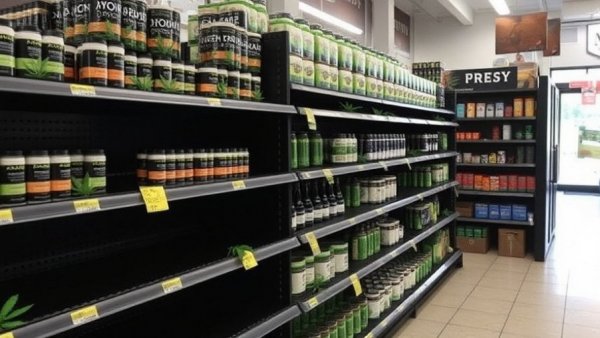
Hemp THC Retailers Face Unprecedented Challenges
As a federal ban on hemp-derived THC products looms on the horizon, retailers across the nation are feeling the effects. With shelves quickly emptying and sales surging, these businesses are forced to confront the realities of a regulatory crackdown that many believe resembles a modern-day prohibition. The echoes of history resonate as industry stakeholders witness bewildering scenes—consumers rushing to the nearest shop, grabbing remaining stock before it's gone for good.
The Ripple Effects of Regulation
Many in the hemp cannabis sector see this impending ban not just as a logistical hurdle, but as a setback for the broader legal cannabis narrative. "This is what prohibition looks like," declared an industry leader recently, underscoring a sentiment growing among those who have benefitted from the burgeoning market. Retailers, once thriving, are now forced to think fast about their future, product manufacturers face potential bankruptcy, and consumers are left bereft of options.
Lessons from the Past: A Parallel Example
The situation today echoes the restrictions and challenges faced during alcohol prohibition in the 1920s when underground markets flourished amid legal voids. Just as then, the rise of black market activities threatens the legal sector now. Observers note that shifting regulations could yield similar results, leading to an entire narrative of crime and distrust surrounding the industry.
Future Predictions: What Lies Ahead for the Cannabis Industry?
If the ban moves forward as scheduled, experts predict that retail cannabis businesses may endure irreversible damage. With many fearing the resurgence of unregulated products flooding the market, the integrity of the entire cannabis industry may hang in the balance. As consumers adapt—either gravitating toward illicit sources or relying solely on state-regulated cannabis—they might unwittingly contribute to a larger public health concern.
Actionable Insights: Preparing for Change
For retailers and consumers alike, this situation calls for strategic planning. Retailers must brace themselves for potential supply chain interruptions and consider diversification to mitigate risks. Consumers, on the other hand, should stay informed about both legislative developments and the potential impacts on their chosen products. Adapting through education and vigilance is paramount as this situation continues to evolve.





Write A Comment