

Understanding Hermaphroditism in Cannabis
Cannabis plants are fascinating organisms, exhibiting unique reproductive traits that shape how they develop flowers and seeds. Typically, cannabis is dioecious, meaning male and female plants have distinct flowers; however, some plants exhibit both male and female characteristics, known as hermaphroditic plants. These plants develop both types of reproductive structures, enabling them to play a vital role in pollination and seed formation.
The Anatomy of Cannabis Reproduction
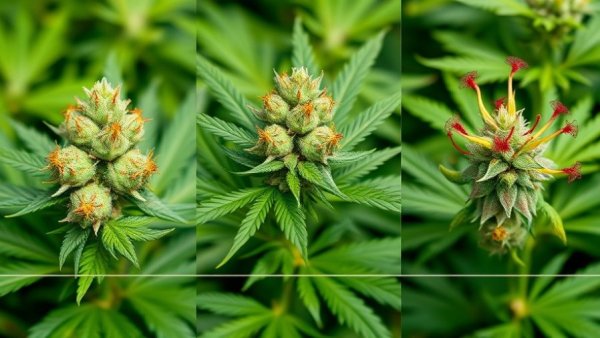
In the cannabis world, female plants produce pistillate flowers that house fine stigmas emerging from bracts. These are crucial as they receive pollen and facilitate seed development post-fertilization. Conversely, male plants generate staminate flowers with pollen sacs that cluster at the node intersections on the stem. When maturity hits, these sacs burst open, releasing pollen designed to fertilize female flowers.
Hermaphrodite Traits: A Closer Look
A hermaphroditic cannabis plant possesses features from both genders. This trait can manifest in various ways: some plants develop anthers—male reproductive parts—within their female flower clusters, while others may create separate pollen sacs alongside female flowers. This mixed sexual expression offers a unique perspective on cannabis biology and its applications in cultivation.
Genetics and Environmental Influences
The intricacies of cannabis sex determination are deeply rooted in genetics, yet they are influenced by developmental and environmental factors as well. A singular reason cannot explain every occurrence of hermaphroditism, as changes can develop throughout the plant's life cycle. This complexity is highlighted by a 2020 study published in Frontiers in Plant Science, which examined how different traits in hermaphroditic cannabis affect pollen viability and subsequent seed development.
The Impact of Growing Practices
Growers should pay keen attention to seed types and their influence on cannabis genetics. Regular seeds, as noted by Barney’s Farm, generally originate from both male and female parent plants. With the proper knowledge of how these reproductive traits work, cultivators can make informed decisions about breeding and plant care, enhancing their understanding of cannabis cultivation.
Identifying Reproductive Structures Early
For growers and hobbyists, the early identification of plant sex can pose a challenge. Flower structures often don't appear until the plant reaches reproductive maturity. This makes it imperative to understand that the terms 'female/male' plants may not comprehensively encompass every aspect of cannabis gender expression.
Concluding Thoughts: The Importance of Knowledge
Knowledge about cannabis reproductive traits, particularly hermaphroditism, is essential for anyone involved in cultivation or study of this plant. Understanding the genetic and environmental factors contributing to reproductive behaviors allows for better cultivation practices and smarter breeding choices. Dive into the world of cannabis breeding with Barney’s Farm and discover their extensive collection of genetic heritage, knowing that each plant offers an incredible opportunity to learn more about this ancient plant.




Write A Comment