

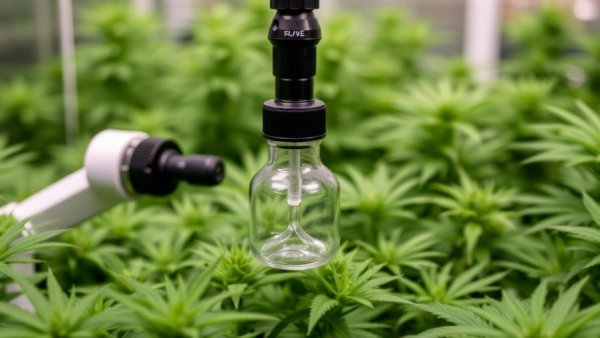
Defining Operational Bottlenecks in Cannabis Automation
In the world of cannabis production, investing in automation is exciting and tempting. However, it’s crucial to recognize that a faster machine doesn’t always equate to heightened productivity. Before diving into the investment pool, operators should first identify what is truly holding back their output. Challenges may arise from various sources, like staff limitations, workflow inefficiencies, or even equipment mismatches.
Understanding Your Operations: Quality vs. Speed
When evaluating automation options, instead of asking, "How fast does it operate?" the pivotal question should be, "What is preventing us from generating more saleable product at optimal quality and cost?" This fundamental perspective shift guides operators to look beyond machine speed to assess overall operational constraints. Whether the equipment on the floor can keep pace with packaging is just as critical as a machine's stats on paper.
The Theory of Constraints: Limiting Factors Behind Production
Rami Goldratt’s Theory of Constraints adds depth to this exploration. It emphasizes that the bottleneck can often be found outside of machinery - management weaknesses or limited sales capacities can equally stifle production. Operators should map the entire path a product takes in the facility, from trimming to final inspection. It’s an insightful process that reveals delays and redundancy, allowing operators to pinpoint potential areas of improvement.
Evaluating Current Processes: A Step Towards Effective Investment
According to guidance from the National Institute of Standards and Technology (NIST), documenting existing workflows is essential. By understanding the current baseline processes closely, operators can more accurately assess the value of potential equipment upgrades. A pre-roll machine may produce cones at a blistering pace, but if your team struggles to keep up with packing them, you’re still in a bottleneck. Realistic measurements—thinking beyond mere speed—bring clarity.
Testing Before Investing: Avoiding Automation Pitfalls
It’s vital that operators test to see if delays can be effectively addressed without new purchases. This prevents unnecessary expenditures and opens the door for a deeper understanding of operational needs. For instance, if you replace a filler that tops at 1,000 units per hour, but subsequent processes are limited to 600, you won't experience any bump in finished output. Instead, focus on finding solutions that enhance productivity across the board.
Aligning Production with Market Demand: A Crucial Reminder
Last but certainly not least, before investing in new equipment, operators should assess whether increasing output aligns with market demand. There’s no point in fueling additional production if a sales plan isn’t lined up to support it. As per the NIST guidelines, all aspects—life cycle costs, safety, and even the need for training—should be considered to avoid unwarranted financial burdens down the line.
In conclusion, when contemplating automation in cannabis operations, understanding your current inefficiencies is paramount. By focusing on bottlenecks beyond just machinery, gathering data on production processes, and ensuring alignment with market needs, operators can make informed decisions that ultimately enhance productivity and profitability.





Write A Comment