
cropper
National Cannabis Newswire
  • Home
  • Categories
    • news
    • trends
    • insights
    • industry
    • legalization
    • health
    • culture
    • advocacy
    • Brands
    • New Mexico Dispensaries
    • Arizona Dispensaries
November 08.2026
2 Minutes Read

Colorado Cannabis Company Recalls Contaminated Vapes Amid Regulatory Delays

Media Report: Colorado Marijuana Company Voluntarily Recalls Dozens of Contaminated Products Amid State Regulatory Delays

Colorado's Cannabis Industry Faces Serious Health Hazards

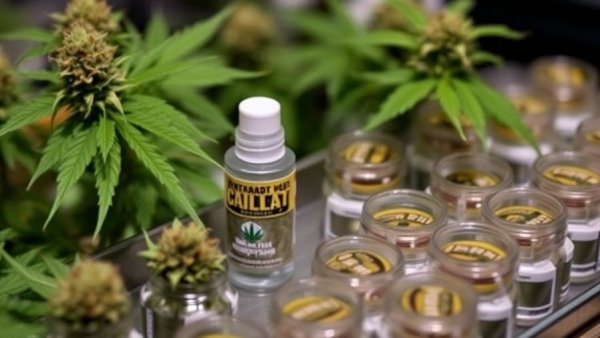
In a troubling development for the cannabis industry, a major Colorado manufacturer of marijuana vapes, StayCon, has voluntarily recalled 49 products due to contamination by methylene chloride, a harmful chemical linked to cancer. This unsettling recall comes during a significant delay in the state's implementation of enhanced testing procedures that would have identified such dangerous contaminants.

The Risks Behind Cannabis Regulation in Colorado

The Environmental Protection Agency (EPA) has long sought to ban methylene chloride for most uses due to its serious health risks, yet it has still found its way into products being sold legally in dispensaries. The vapes impacted, including fan-favorites like Maui Wowie and Grape Gorilla, were on the market for over a year and a half, raising questions about regulatory oversight and consumer safety.

Why Delays Matter: Consumer Safety at Stake

StayCon's recall was preceded by a notification from a third-party lab which identified the toxic solvent six weeks before the recall was made public. This delay unveils a critical gap in communication and regulation. The state's Marijuana Enforcement Division, when questioned about the lack of consumer alerts, stated that they do not comment on ongoing investigations, leaving many consumers uninformed about potential risks.

As reported by local publications like The Denver Gazette and ProPublica, these regulatory loopholes have allowed contaminated cannabis products to be sold to consumers for extended periods. The delays in alerting the public can result in dire consequences for consumer health and trust in the legal cannabis market.

A Call Against Regulatory Loopholes

This incident not only highlights the immediate dangers posed by contaminated products but also spurs a larger conversation about the efficacy of regulatory bodies in protecting consumers. The protracted implementation of essential testing regulations exposes the vulnerabilities within the cannabis market and raises urgent questions about the effectiveness of Colorado's approach to cannabis legislation.

Future Implications: What This Means for Consumers

This recall serves as a stark warning about the importance of robust state laws and regulations within the cannabis industry. As other states pave the way with stringent rules against hazardous substances in cannabis products, Colorado must reevaluate its regulatory framework to ensure consumer safety and trust. Consumers deserve transparency and timely communication regarding the safety of the products they consume.

While legal cannabis has grown to be a billion-dollar industry, incidents like this remind us of the significant shadows that linger within its expansion. As consumers, advocates, and industry stakeholders, it is crucial to call for improved regulations and accountability in the cannabis sector. Only then can we build a cannabis culture grounded in safety, transparency, and health.
advocacy

1 Views

0 Comments

Write A Comment

*
*
Please complete the captcha to submit your comment.
Related Posts All Posts

Military Cannabis Drug Testing Rules Under Review: What You Need to Know

Update November Hearing Could Transform Military Cannabis Policy The U.S. Court of Appeals for the Armed Forces is preparing for a landmark hearing on November 19 that has the potential to reshape how marijuana-related offenses are addressed within the military. The case, United States v. Collyn L. Lawrence, centers around a military member who was convicted based on a drug test that detected the presence of THC, the active component in cannabis. Understanding the 'Permissive Inference' in Military Law At the heart of Lawrence's challenge is a military legal principle known as the permissive inference. This concept allows military judges to assume that a service member has knowingly consumed marijuana based solely on the presence of THC metabolites found in their urine. In many cases, this rule has been defended as necessary to uphold military discipline and readiness. However, Lawrence's defense argues that the increasing legalization of cannabis across the United States challenges the fairness of this inference, as it fails to account for the realities of accidental exposure to THC through commercial products. Growing Cannabis Legalization: A New Reality With numerous states legalizing marijuana for both medical and recreational use, the accessibility of THC products has surged. Consumers can often find items that contain THC sold alongside ordinary goods. Lawrence's case highlights a critical point: how do you prove knowing consumption in a world where unintentional exposure is not just possible but increasingly plausible? His attorney asserts that in today's ever-expanding cannabis market, simply having a detectable level of THC does not equate to intentional use. Government's Stance: Upholding the Status Quo The federal government, on its part, maintains that the permissive inference remains constitutional. They argue that, despite changes in civilian cannabis laws, marijuana is still classified as prohibited for military personnel. The government counters that service members must remain fully aware of their responsibilities regarding substance use, regardless of the broader legal landscape. The Implications of a Favorable Ruling If the court sides with Lawrence and overturns longstanding precedent from a 1987 decision in United States v. Ford, it could lead to a significant shift in military drug testing protocols. The ruling could require military prosecutors to provide more substantial evidence of knowing use beyond just a positive drug test, perhaps leading to fairer trials for service members accused under challenging conditions. As military cannabis policies are scrutinized in light of the evolving landscape of state cannabis laws, this case presents an opportunity for the military justice system to modernize and align with current societal norms. With so many states decriminalizing or legalizing marijuana, the reverberations of this case could extend far beyond Lawrence, influencing future military legal frameworks. Take Action: Advocating for Fair Military Policies This pivotal case represents more than just the outcome for one service member; it speaks to the larger conversation about cannabis and its role in modern society. Interested individuals are encouraged to follow the developments closely and engage in advocacy for fair, reasonable drug policies in the military that reflect the current landscape of legalized cannabis. Reflecting on these changes not only helps to improve legal frameworks but also sheds light on the ongoing necessity for understanding and compassion within military culture.

Thailand's Cannabis Industry Faces Stricter Regulations: What You Need to Know

Update Thailand's Cannabis Crackdown: A New Era for Regulations In a significant move, Thailand is tightening its cannabis regulations amidst concerns about the burgeoning cannabis industry. Prime Minister Anutin Charnvirakul announced plans to propose stricter penalties for violations at a recent meeting of the Office of the Narcotics Control Board (ONCB). His focus on aligning drug policies with scientific evidence aims to enhance public safety and health. The proposed amendments target recreational cannabis use, emphasizing a clear divide between medical and recreational consumption. This comes after the country decriminalized cannabis in 2022 with hopes of creating a responsible and regulated market. However, as cannabis businesses rapidly expanded, so did worries about potential misuse and public health concerns. Understanding the Scope of the New Regulations Anutin’s message is clear: enforcement against illicit use and possession must come hand-in-hand with efforts aimed at rehabilitation and treatment. The government has charged the Ministry of Public Health with inspecting licensed establishments and pursuing legal actions against those violating regulations, ensuring compliance is strictly maintained. The proposal includes amendments to the Narcotics Act to improve enforcement, particularly against small-quantity possession. Recognizing the complexities of addiction and drug use, officials are positioning treatment as a priority, which mirrors trends seen in other states within the cannabis industry focusing on harm reduction. The Role of the Customs Department and Export Regulations In tandem with these efforts, the Customs Department is set to increase inspections and intelligence gathering to prevent illegal exports of cannabis products. Exports of cannabis stems, leaves, and flower buds must now comply with specific Thai laws, a critical step for a country that has only recently embraced cannabis as a legitimate industry. CBD extracts, essential for many therapeutic applications, will also be subject to revised licensing requirements which aim to create a more structured and informed market. Future Prospects for Thailand’s Cannabis Landscape While the moves to tighten controls reflect an urgent need for regulation, they also mark a shift in the narrative surrounding cannabis in Thailand. With a focus on the medical use of cannabis and a transition away from recreational markets, Thailand’s approach could serve as a model for neighboring countries navigating their own cannabis legalization endeavors. As regulations evolve, individuals and businesses operating in the landscape are encouraged to stay informed and compliant with new laws. Engaging communities through education on responsible cannabis use can also play a vital role in societal acceptance and health outcomes. Conclusion: Vigilance and Community Engagement As Thailand transitions into this new phase of cannabis regulation, the emphasis on health, safety, and scientific evidence establishes a framework for a responsible cannabis market. The government’s proactive measures highlight the importance of public understanding and community involvement in shaping the future of cannabis use in the country. To ensure the success of these initiatives, community members are encouraged to participate in discussions about cannabis regulations, advocating for informed policies that prioritize public health and wellness. Engaging with local dispensaries and participating in educational forums can help foster a transparent and informed cannabis landscape.

Advancing Federal Marijuana Policy: What Cannabis Legalization Enthusiasts Should Know

Update A New Dawn for Federal Marijuana Policy? Following significant electoral victories by Democratic lawmakers, there is renewed optimism about the future of federal marijuana policy in the upcoming 120th Congress. As public support for cannabis legalization climbs, having reached two-thirds of Americans, NORML predicts a more favorable climate for advancing legislation critical to reforming cannabis laws. Legislative Priorities: What’s on the Table? The agenda includes removing cannabis from the Controlled Substances Act, improving cannabis businesses’ financial access, facilitating veterans’ use of medical cannabis, and prohibiting employment and housing discrimination against cannabis consumers. Historically, similar initiatives have gained traction when Democrats have controlled Congress, raising hopes for real progress this time around. Breaking Down Barriers: The Need for Action Now Morgan Fox, NORML’s Political Director, emphasizes that despite recent executive reclassifications of marijuana-related products, lawmakers must take bold action. "The fate of federal marijuana policy cannot rest in bureaucratic hands. Congress needs to end this prohibition." With lawmakers poised to prioritize cannabis reform, there’s a vibrant opportunity for bipartisan collaboration. Past Legislative Efforts and the Road Ahead Past legislative efforts like the Marijuana Opportunity, Reinvestment, and Expungement (MORE) Act and the SAFE Banking Act have already paved a path towards decriminalization and Financial Institution inclusion, making it clear that many politicians are ready to listen to their constituents' voices on cannabis policy. However, while the House passed various bills aimed at cannabis reform in previous sessions, they stagnated under Republican leadership, signaling the necessity for renewed emphasis now. A Societal Shift: Understanding Public Sentiment The growing public consensus aligns with NORML’s goals, rooting for changes that reflect a more progressive understanding of cannabis. As societal attitudes evolve, so too must the policies governing it. It's apparent that the relationship between responsible consumers and legislators must shift towards partnership for a healthier future. What Can Cannabis Enthusiasts Do? Activism has played a pivotal role in shifting perceptions of cannabis in recent years. Cannabis legalization enthusiasts are encouraged to engage with their representatives, voicing their support for pending legislation. The collective voice of voters can decide the fate of reforms, catalyzing significant changes across the nation. As we anticipate the commencement of the 120th Congress, the moment is critical for lawmakers to lead responsibly and enact meaningful reforms. States that have already embraced legalization and regulation stand as examples for broader federal policy changes. The time for federal cannabis reform is now. Be part of the movement!

National Cannabis Newswire
National Cannabis Newswire keeps you informed, empowered, and connected to the Cannabis community.

COMPANY

  • Privacy Policy
  • Terms of Use
  • Advertise
  • Contact Us
  • Menu 5
  • Menu 6

480.878.1919

AVAILABLE FROM 8AM - 5PM PST

Contact

11504 W Piccadilly Rd,
Avondale, AZ 85392,

ABOUT US

Your source for breaking cannabis industry news, expert insights, and nationwide updates—National Cannabis Newswire keeps you informed, empowered, and connected.

© 2026 CompanyName All Rights Reserved. Address . Contact Us . Terms of Service . Privacy Policy

Terms of Service

Privacy Policy

Core Modal Title

Sorry, no results found

You Might Find These Articles Interesting

T
Please Check Your Email
We Will Be Following Up Shortly
*
*
*