

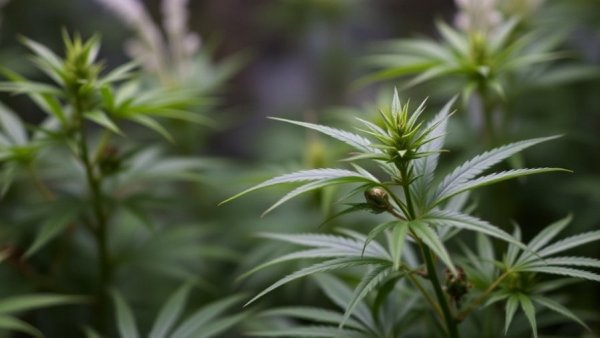
Thailand's Cannabis Crackdown: A New Era for Regulations
In a significant move, Thailand is tightening its cannabis regulations amidst concerns about the burgeoning cannabis industry. Prime Minister Anutin Charnvirakul announced plans to propose stricter penalties for violations at a recent meeting of the Office of the Narcotics Control Board (ONCB). His focus on aligning drug policies with scientific evidence aims to enhance public safety and health.
The proposed amendments target recreational cannabis use, emphasizing a clear divide between medical and recreational consumption. This comes after the country decriminalized cannabis in 2022 with hopes of creating a responsible and regulated market. However, as cannabis businesses rapidly expanded, so did worries about potential misuse and public health concerns.
Understanding the Scope of the New Regulations
Anutin’s message is clear: enforcement against illicit use and possession must come hand-in-hand with efforts aimed at rehabilitation and treatment. The government has charged the Ministry of Public Health with inspecting licensed establishments and pursuing legal actions against those violating regulations, ensuring compliance is strictly maintained.
The proposal includes amendments to the Narcotics Act to improve enforcement, particularly against small-quantity possession. Recognizing the complexities of addiction and drug use, officials are positioning treatment as a priority, which mirrors trends seen in other states within the cannabis industry focusing on harm reduction.
The Role of the Customs Department and Export Regulations
In tandem with these efforts, the Customs Department is set to increase inspections and intelligence gathering to prevent illegal exports of cannabis products. Exports of cannabis stems, leaves, and flower buds must now comply with specific Thai laws, a critical step for a country that has only recently embraced cannabis as a legitimate industry. CBD extracts, essential for many therapeutic applications, will also be subject to revised licensing requirements which aim to create a more structured and informed market.
Future Prospects for Thailand’s Cannabis Landscape
While the moves to tighten controls reflect an urgent need for regulation, they also mark a shift in the narrative surrounding cannabis in Thailand. With a focus on the medical use of cannabis and a transition away from recreational markets, Thailand’s approach could serve as a model for neighboring countries navigating their own cannabis legalization endeavors.
As regulations evolve, individuals and businesses operating in the landscape are encouraged to stay informed and compliant with new laws. Engaging communities through education on responsible cannabis use can also play a vital role in societal acceptance and health outcomes.
Conclusion: Vigilance and Community Engagement
As Thailand transitions into this new phase of cannabis regulation, the emphasis on health, safety, and scientific evidence establishes a framework for a responsible cannabis market. The government’s proactive measures highlight the importance of public understanding and community involvement in shaping the future of cannabis use in the country.
To ensure the success of these initiatives, community members are encouraged to participate in discussions about cannabis regulations, advocating for informed policies that prioritize public health and wellness. Engaging with local dispensaries and participating in educational forums can help foster a transparent and informed cannabis landscape.





Write A Comment