

The Shift From Potatoes to Hemp: A Path to Resilience
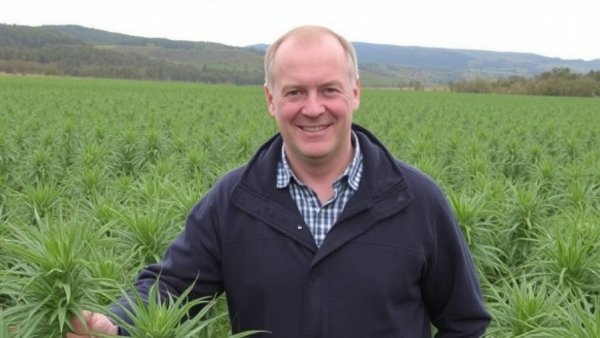
Tasmanian farmers have long relied on potato crops, but with market pressures mounting, a growing number are considering a shift to more sustainable and profitable alternatives. Tim Schmidt, a former potato grower turned hemp advocate and the owner of The Tassie Hemp Co., is at the forefront of this movement. His message is clear: the time has come to embrace hemp for its numerous benefits, both economically and environmentally.
Understanding Market Pressures
Farmers like Schmidt are questioning their future in potato farming, especially after significant price cuts from major processors like Simplot and McCain. This year alone, yield margins have drastically dropped, with Simplot cutting prices by $7 per ton and McCain by $15. For many growers, this equates to a painful reduction in income, translating to as much as $1,000 less in gross returns for those still dedicated to high-input potato farming.
The CASE for Hemp in Agriculture
Hemp presents a low-risk, low-input alternative that is gaining traction amongst farmers. Although, on the surface, the returns from hemp—approximately $2,500 per hectare—seem less than potatoes’ $5,000, the benefits extend beyond just immediate profit. Schmidt points out that hemp crops improve soil conditions, paving the way for better subsequent yields. They are planted annually from November to late March, allowing for versatile crop rotation that optimizes land use.
Joining the Growing Hemp Movement
As the demand for hemp products burgeons, Tasmanian farmers are encouraged to take part in this rising market. With plans to convert an additional 500 hectares to hemp, the industry is not just a fad; it’s a legitimate option for farmers seeking stability. Support from local government, especially with the recent senate inquiry producing 14 recommendations, will likely enhance growth opportunities even more, heralding a new chapter for Tasmanian agriculture.
The Future Looks Bright
The future of the hemp industry in Tasmania is promising, especially with new high-yield varieties on the horizon. Schmidt’s optimism reflects broader trends within the cannabis industry, which sees continuous development in market viability. As advocacy for hemp further develops, it solidifies the crop's place in a sustainable agricultural future.
Conclusion: A Call to Action for Farmers
The agricultural community in Tasmania stands at a crossroads. As the challenges of traditional crops intensify, the time to rethink and innovate is now. Hemp is emerging not just as a secondary option for farmers but as a sustainable pathway towards profitability and resilience. Those involved in the farming industry or those thinking about entering should explore the potential of hemp. By taking proactive steps, farmers can secure their livelihoods while contributing positively to their local communities and environments.




Write A Comment