

Revolutionizing Cannabis Harvesting: The Role of Spectrum Tuning
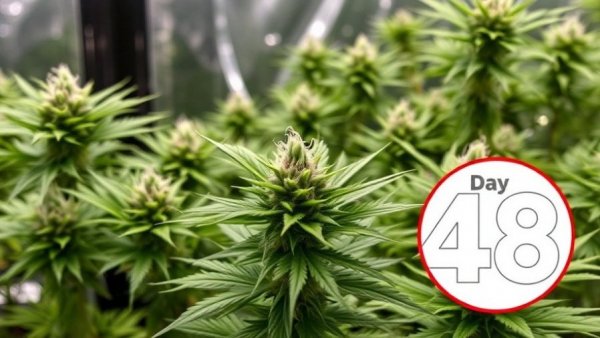
In a world where technology continually reshapes industries, the cannabis sector is no exception. One significant innovation is the use of spectrum tuning in cultivation practices. Facilities like those running GrowPros Chameleon 4 channel lights have seen tremendous success, cutting their flower cycles from the traditional 63 days to an impressive 48 days without compromising quality. As we approach December, blind judges will evaluate whether this accelerated cycle yields high-quality cannabis.
Understanding Spectrum Tuning
Spectrum tuning allows growers to fine-tune the light spectrum that their plants receive. This scientifically-backed approach enhances plant growth at different stages of their lifecycle. For example, during the flowering phase, customized light wavelengths can stimulate more robust growth and higher yields. As a result, growers can optimize their outputs, meeting the growing demands of the cannabis industry.
Quality vs. Quantity: The December Decision
The double-edged sword of this accelerated growth cycle is the scrutiny that follows it. Quality remains a paramount concern amid this race for quantity. The blind judges, tasked with evaluating the cannabis produced under these new methods, will set a definitive standard on whether faster is better. By assessing the buds' potency, appearance, and overall appeal, the conclusions drawn from this evaluation could redefine norms in the cannabis industry.
The Future of Cannabis Cultivation
As the cannabis sector embraces new technologies like spectrum tuning, insights gleaned from December's evaluation could pave the way for future practices in cultivation. Growers who successfully marry innovation with quality will likely gain a competitive edge. Thus, the stakes are high for cultivators to prove that efficiency does not come at the expense of quality.
Emphasizing Insights for the Cannabis Industry
The implications of spectrum tuning stretch beyond just the producers. Consumers, enthusiasts, and investors should keep a close eye on how these practices impact the market landscape. As regulations evolve and consumer preferences shift, understanding what is going on with cannabis production becomes crucial. Educational resources, industry insights, and advocacy can empower stakeholders to navigate this dynamic environment effectively.
With cannabis gaining traction as a legitimate sector, understanding these emerging technologies can also shape perceptions, policies, and the industry's future momentum. Are you staying updated with the latest in cannabis industry news and trends? With each advancement, there lies an opportunity for growth and engagement, urging all involved to remain informed and proactive.





Write A Comment