

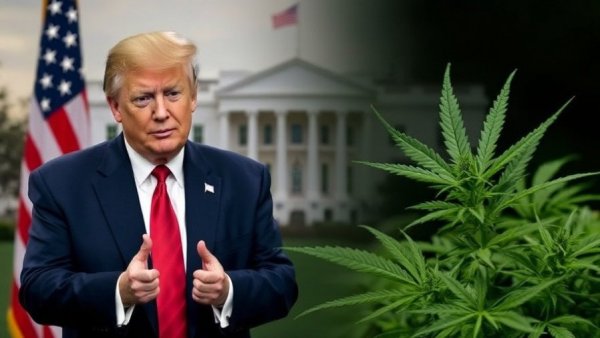
Unraveling the Hemp THC Controversy
The debate surrounding hemp-derived THC products has gained renewed attention with recent allegations suggesting high-level political interference. A former advisor to Health Secretary Robert F. Kennedy Jr. has named Susie Wiles, President Trump’s former chief of staff, as a key figure in steering White House policies that may have affected legal stances on hemp THC. This revelation raises important questions about the intersection of policy, health, and the burgeoning cannabis industry.
The Political Landscape of Hemp Regulations
The hemp industry has rapidly evolved, especially since the 2018 Farm Bill, which legalized hemp production across the United States. However, the regulatory landscape remains riddled with challenges. Misconceptions about hemp-derived THC, often perceived as indistinguishable from its psychoactive counterpart, have resulted in stringent policies that inhibit market growth.
Implications for the Cannabis Industry
The cannabis industry, a sector expected to continue its expansion in the coming years, has been directly affected by regulatory decisions made by political figures. The alleged meddling in hemp THC regulations not only stifles innovation but may also jeopardize public health. With hemp-based products being associated with numerous therapeutic benefits, inconsistent policies could mislead consumers and drive up product costs.
Industry Voices and Consumer Rights
Advocacy groups within the cannabis industry have raised alarms over such political influences. They argue that policy decisions should reflect scientific understanding and consumer needs rather than political agendas. As the industry seeks to establish standards and gain legitimacy, it is crucial for stakeholders to remain informed and engaged in the policy-making process.
Action Needed for Progress
The allegations regarding Wiles’ involvement indicate a need for greater transparency in how regulatory decisions are made. Cannabis professionals and advocates must push for clearer communication between policymakers and industry leaders to foster a healthier regulatory environment. What is going on with cannabis policies should become a focal point of discussion, ensuring that stakeholders can collaboratively navigate the complexities of the legal landscape.





Write A Comment