

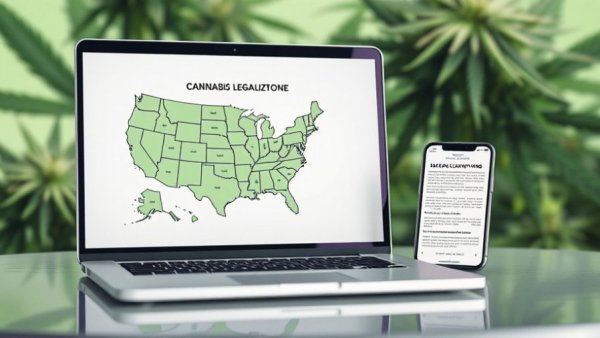
Philadelphia Paves the Way for Cannabis Legalization
In a striking example of local governance calling for progressive change, the Philadelphia City Council is stepping up to advocate for marijuana legalization as Pennsylvania transitions to a Democratic-controlled legislature. With the midterm elections providing a fresh majority, local officials believe that this momentum could finally bring adult-use cannabis legislation to fruition.
Opportunity Knocks for Pennsylvania
The Philadelphia City Council's resolution, backed by Councilmember Jim Harrity and nine other members, points out a glaring truth: neighboring states have already capitalized on the legalization of cannabis, generating substantial revenue. The document argues that legalizing marijuana could not only create new jobs across diverse sectors— such as cultivation, retail, and compliance—but also offer a viable alternative to illicit networks. This shift has the potential to alleviate societal issues like drug-related violence and over-policing in historically marginalized communities.
Local Voices Demand Action
This resolution is indicative of a community eager for change. It highlights that voters have previously shown support for cannabis reform through a ballot measure and local decriminalization efforts. The message resonates: it’s time for state leaders to follow suit and embrace the legalization of adult-use marijuana.
The Road Ahead: Challenges and Considerations
Despite this show of support, there are hurdles ahead. Presumptive Senate President Pro Tempore Jay Costa has indicated that while cannabis reform is acknowledged, it may not be a top priority. Governor Josh Shapiro, who has historically advocated for cannabis policy reform, has yet to prioritize this topic in recent statements. The disconnect between local sentiment and state priorities presents a challenge as advocates push for timely legalization.
What Legalization Means for Communities
The implications of legalization extend far beyond simple economics. By incorporating responsible regulations, legislators can create a safer market that promotes public health. Furthermore, it is vital for communities to reinvest the expected tax revenues into local projects that enhance public safety, mental health services, and economic upliftment.
Community-Centric Movement
The resolution underscores a critical need within our communities—for a more equitable approach to cannabis laws. It aims to steer significant resources toward addressing the negative impacts of past drug policies that have disproportionately affected Black and Brown communities. The legislators' call to action notes a pivotal opportunity for shared growth and healing.
As advocates and city officials underscore the importance of this movement, individuals in the beauty and wellness sectors can harness their voices to support the cannabis industry. The legalization of cannabis presents a unique avenue not just for economic benefit, but for holistic community well-being. If you support cannabis reform, now is the time to speak up, connect with advocacy groups, and champion the cause for change in Pennsylvania!





Write A Comment