

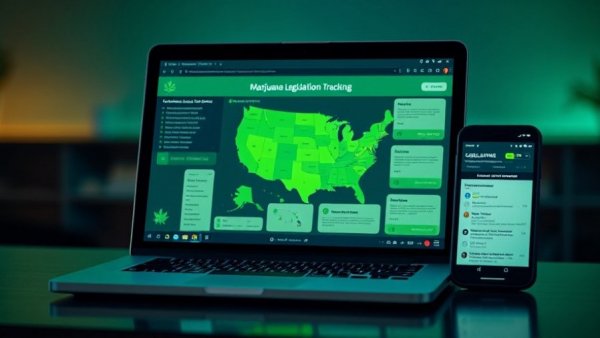
A Legislative Shift for Medical Marijuana Patients in Oklahoma
In an unexpected turn, Oklahoma's political landscape is witnessing a pivotal bill that attempts to bridge two significant issues: gun rights and medical marijuana use. Led by Senate Majority Floor Leader Julie Daniels (R), this proposed legislation aims to solidify the rights of medical cannabis patients regarding their ability to obtain handgun licenses. As the nation continues to grapple with laws that intertwine personal rights and health decisions, this bill emerges as a voice for Oklahoma's medical marijuana community.
Decoding the Proposed Bill: A Win for Patient Rights
Senator Daniels' proposal modifies the state’s Self-Defense Act to clarify that being a medical cannabis patient cannot automatically preclude individuals from acquiring a handgun license. This legislative effort signals a growing recognition of medical cannabis as a legitimate health care option. According to the bill, it would be unlawful for the Oklahoma State Bureau of Investigation to deny a person’s application solely based on their medical marijuana status. However, it is critical to note that the bill does not authorize carrying firearms while under the influence of cannabis, maintaining safety protocols already in place for those on prescription drugs.
A Historical Context Behind the Legislation
This bill adds to a backdrop of contentious discussions surrounding firearms and medical marijuana throughout the U.S. Historically, patients using cannabis for legitimate medical reasons have faced stigma and restrictions on their rights. The Oklahoma Senate previously undertook a similar initiative, which faltered in the House committee. This latest push not only highlights ongoing advocacy in this space but also reflects a changing perception around cannabis usage—especially in light of evolving state and federal regulations.
Current Trends Impacting Gun Rights and Cannabis Legislation
Oklahoma's proposed bill aligns with broader trends across the country, where states are beginning to reevaluate outdated laws surrounding gun rights and cannabis use. In recent months, significant federal agencies such as the Bureau of Alcohol, Tobacco, Firearms and Explosives have adjusted their guidelines to consider medical marijuana users more favorably. Additionally, a Supreme Court ruling has bolstered the Second Amendment rights for marijuana consumers, revealing potential shifts in voter sentiment. A recent poll revealed that one in four marijuana consumers indicated they would be more likely to purchase a firearm post-ruling, a statistic that underscores the intimate connection between cannabis acceptance and gun ownership rights.
Exploring Public Sentiment and Advocacy
As cannabis advocacy gains momentum, grassroots organizations and community members continue to raise their voices, pushing for legislative changes that respect individual rights. With captivating stories from those who’ve battled stigma, the push to dismantle barriers facing medical marijuana holders is building. This legislation is not merely a political maneuver; it is interwoven with personal narratives and struggles that resonate with many Oklahomans. Providing a right to a handgun for medical marijuana patients is about empowerment, about preserving safety and dignity alongside health management.
A Community Approach: The Value of Empathy in Cannabis Legislation
Engaging communities around these issues fosters deeper connections and supports reforms like the proposed bill by Senator Daniels. As lawmakers consider similar measures nationwide, community-driven initiatives highlight the importance of understanding individual experiences. The Oklahoma scenario serves as a reminder that advocacy and personal stories can be potent catalysts for change, illustrating the need for empathy in legislation.
Each step forward, like the introduction of SB 1, paves the way for a more inclusive dialogue about cannabis, health, and personal freedoms. This legislative effort holds the potential to empower many residents, allowing them to advocate not just for their rights, but for the rights of all medical marijuana patients across the state.
In this evolving legislative landscape, those interested in cannabis advocacy and the rights of medical marijuana users are encouraged to stay engaged. Support grassroots organizations, participate in community discussions, and lend your voice to advocate for equality and understanding.



Write A Comment