

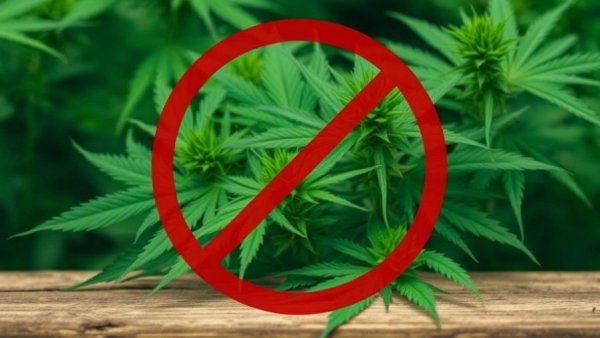
A Bitter Brew: Missouri's Hemp THC Product Ban Hits Hard
In what can only be described as a sad day for many, Missouri's new law sharply restricting the sale of hemp-derived THC products has left local businesses grappling with uncertainty. The impact is palpable, as retailers cut prices and cleared inventory in anticipation of this legislative shift. Gas stations showcased clearance bins overflowing with discounted items, while some shops went even further, giving away free products, especially as they marked Veterans Day, a poignant reminder of service for some owners.
The Heart of a Community Effort
Brian Riegel, treasurer of the Missouri Hemp Trade Association and owner of South Point Hemp, shared the emotional strain that this ban has placed on local entrepreneurs. "We’ve tried to get most of our customers to come in beforehand... it’s just been a sad day," he reflected. For many, the struggle is not only economic; it also involves the reputations and livelihoods of devoted workers. Riegel revealed, "There’s some people with multiple families relying on the income from this.” As the state imposed these new restrictions, the adaptive measures taken by businesses revealed their commitment to community engagement.
A Temporary Safe Haven: Hemp Beverages
As the law restricts the sale of many hemp-derived products, hemp beverages have been granted a temporary exemption. This allows retailers like Riegel to still offer products such as intoxicating hemp seltzers until federal regulations potentially tighten further by mid-December. However, the looming uncertainty creates a shadow over these temporary victories, leaving those in the cannabis community anxious while still celebrating small wins.
The Broader Implications for the Cannabis Industry
According to Missouri Attorney General Catherine Hanaway, enforcement will focus on sellers rather than consumers, indicating a shift in priorities within the state’s cannabis regulation framework. The intention is clear: ensure compliance among businesses while allowing consumers innocent of the law's complexities to enjoy their purchases. Such enforcement strategies reveal the challenges faced by both lawmakers and industry professionals as they navigate the evolving landscape of cannabis regulation.
Community Connections and Future Prospects
The collective efforts of Missouri's hemp business owners highlight an underlying strength in community bonds. As Riegel notes, local shop owners have been in their communities for years, delivering products that go beyond economic transactions; they offer wellness solutions and connection. As these local champions advocate for a more inclusive regulatory framework, the hope is that understanding and compassion will guide future discussions regarding hemp and cannabis legislation.
Despite the hurdles, stories of community support, like that of the Gradys providing free products to veterans, illustrate the resilience of small businesses striving to uplift each other. As they face uncertain futures, the resolve of the cannabis community to adapt and innovate should not be underestimated. Larger discussions on legalization and industry practices will play a crucial role in shaping the future landscape of cannabis in Missouri and beyond.
As regulations evolve, engaging with local advocacy groups and staying informed about legislative changes is vital. The spirits of Missouri's cannabis enthusiasts, local retailers, and community members remain hopeful, inspiring future initiatives that prioritize both industry growth and community well-being.





Write A Comment