
A Neighbors' Spirituality Questioned in Orem
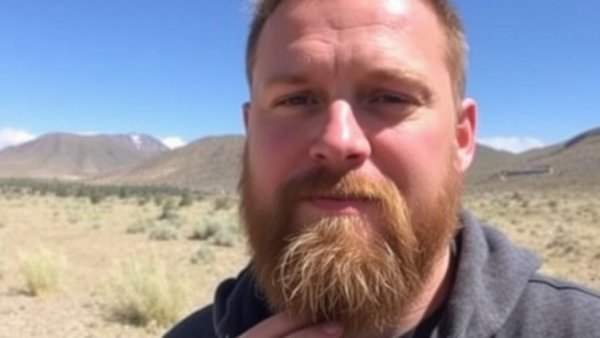
This winter, a unique and controversial spiritual practice became the center of a legal dispute in Orem, Utah, when Eric Layton was arrested during what he and a friend claimed was a religious ceremony involving magic mushrooms. Layton, a member of The Divine Assembly, maintains that his use of psilocybin mushrooms is a legitimate form of communion with the divine, similar to traditional sacramental practices involving wine or bread. Such beliefs challenge our conventional narratives about faith and wellness.
The Legal Dimensions of Spirituality and Substance Use
Layton was charged with possession of a controlled substance and drug paraphernalia, but those charges were later dropped. His story raises significant questions about the intersection of law, spirituality, and the cannabis industry — particularly concerning how state laws interpret religious freedom versus controlled substance regulations. His attorney, former state Senator Steve Urquhart, argues that the legal system must accommodate various forms of worship equally, highlighting the delicate balance between societal norms and personal beliefs.
Understanding The Divine Assembly and Its Beliefs
The Divine Assembly teaches that magical mushrooms allow individuals to access divine realms, a viewpoint that reflects the growing interest in psychedelics for therapeutic purposes and spiritual insight. Many advocates believe that such practices should not only be respected but also protected under the law. The escalating debate on the legalization of substances like psilocybin is an ongoing element on the broader landscape of health and wellness trends in America.
Local Implications and a Wider Movement
This situation in Orem is not an isolated incident; it's part of a growing movement advocating for the recognition of psychedelics in spiritual practice. As more individuals throughout the country turn to these substances for healing and enlightenment, the discussion surrounding cannabis industry laws becomes increasingly relevant, exposing the gaps in current legislation that fail to recognize all forms of spirituality.
Your Voice Matters: Engaging in the Discussion
Communities are urged to consider how they approach spirituality, mental health, and substance use. These conversations foster connections that can elevate local understanding and compassion. Supporting initiatives that respect individual beliefs is paramount as the dialogue around cannabis and psychedelic substances evolves. Eric Layton’s voice is significant—will yours join the chorus advocating for the rights of individuals to determine their spiritual journeys?



Write A Comment