

Understanding Tribal Cannabis Policy in the Evolving Landscape
The world of cannabis is changing rapidly, and it seems that tribal nations are ready to play a significant role in this transformation. In the latest Tribal Nations Report, we delve into how newly elected leaders at the state level are gearing up to influence cannabis policy in a way that uplifts and empowers indigenous communities.
In #THC #Tribalnations #TribalCannabisnews #Nativenations #midterms, the discussion dives into the evolving cannabis policies impact on tribal nations, prompting us to analyze its implications for the cannabis banking industry.
The Significance of Upcoming Elections
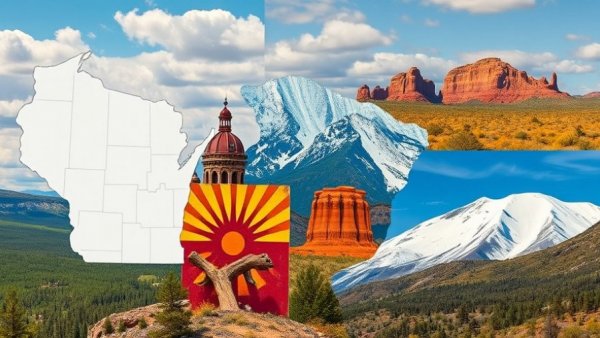
Following the 2026 midterm elections, important players at the state level could help reshape tribal cannabis legislation. Wisconsin's newly elected Governor David Crowley is a Democrat who is advocating for adult-use cannabis legalization. His endorsement, along with promises made by other Democratic leaders, presents a unique chance for Wisconsin's tribal nations to influence cannabis policy right from the ground up.
New Mexico: A Model of Tribal Sovereignty
Meanwhile, in New Mexico, the focus continues to be on expanding existing frameworks rather than new laws on legalization. The state's tribal nations have established their cannabis businesses under recognized tribal sovereignty agreements with Pueblo governments. These agreements empower tribal enterprises to lead as frontrunners in the cannabis industry, showcasing a successful model for other states to consider.
Arizona: Strengthening State-Tribal Relationships
Arizona is also making strides under the leadership of its new Democratic Governor, Katie Hobbs. Her commitment to visiting all 22 federally recognized tribal nations has laid the groundwork for improved relationships and economic development opportunities. This strong foundation is essential for the growth of the cannabis sector in Arizona, allowing for collaborative discussions and initiatives between state and tribal leaders.
Potential in Alaska: Indigenous Voices Rising
Looking northward to Alaska, the emergence of strong indigenous political representation may soon open doors for tribal cannabis discussions. While no major initiatives have yet taken root, the groundwork is being laid for conversations that elevate indigenous voices within the cannabis dialogue.
The Future of Tribal Cannabis Industry
As we glide through 2027, it’s clear that tribal nations are poised to push for greater sovereignty and participation in the cannabis industry. The potential for economic growth and self-determination in this evolving landscape is promising, especially for those involved in cannabis banking and lending. Businesses in fintech and lending focused on the cannabis industry should pay close attention as these developments unfold in tribal nations across the country.
Conclusion: Embracing the Change
With the evolving cannabis policies and the commitment from tribal nations to assert their sovereignty, it’s an exciting time to be engaged in the cannabis industry. As stakeholders, including fintech companies and lenders, continue to support these communities, they should be ready to adapt and facilitate growth opportunities. By fostering relationships that can elevate the cannabis industry, we are not just creating economic pathways—we are honoring the indigenous resilience and innovation present in the tribes of this country.





Write A Comment