
Add Row
Add Element
cropper
update
National Cannabis Newswire
update
Add Element
  • Home
  • Categories
    • news
    • trends
    • insights
    • industry
    • legalization
    • health
    • culture
    • advocacy
    • Brands
    • New Mexico Dispensaries
    • Arizona Dispensaries
October 08.2025
2 Minutes Read

How Dutchie is Building the Digital Backbone of Cannabis Retail

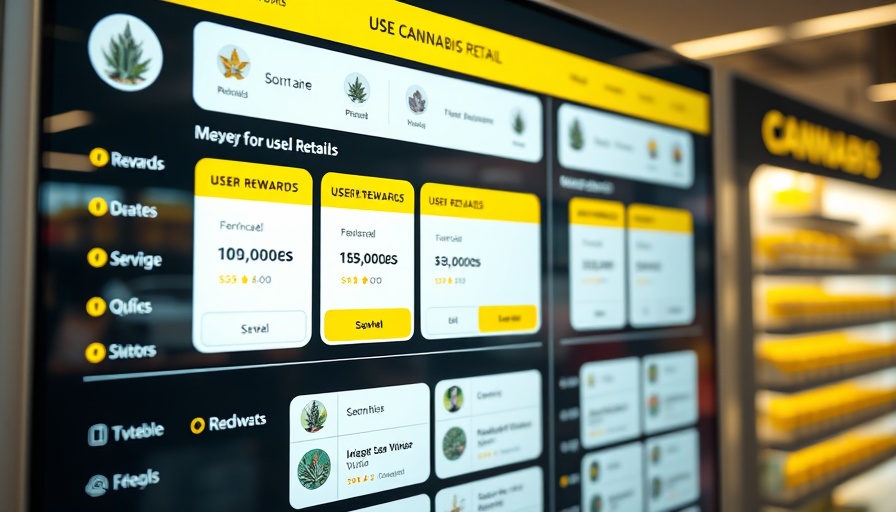
Digital interface showcasing cannabis retail loyalty program.

The Evolution of Cannabis Retail Technology

As the cannabis industry continues to expand across North America, the need for modern technological solutions has never been more pressing. Initially, many dispensaries were established without the sophisticated infrastructure typical of other retail businesses. This gap is where platforms like Dutchie have stepped in, providing a comprehensive digital backbone for over 6,000 cannabis retailers. Dutchie's Chief Technology Officer, Chris Ostrowski, emphasized their commitment to empowering business owners to focus not just on sales, but on building community relationships and enhancing product quality.

Transformative Features of Dutchie's E-Commerce Pro

Central to this evolution is Dutchie's latest initiative, E-Commerce Pro. This updated platform does not merely enhance the visual appeal of dispensary websites; it aims at delivering measurable results that are essential in today’s competitive market. E-Commerce Pro harnesses AI technology to provide real-time product recommendations and integrates various functional aspects, from payments to loyalty programs. It levels the playing field for dispensaries, allowing smaller operators to compete with national chains by offering a professional and seamless online shopping experience.

Building Trust Through Certified Partners

In a heavily regulated industry like cannabis, where compliance is critical, the challenge extends beyond crafting a beautiful website. Dutchie's Certified Partner Program plays a crucial role in helping retailers navigate these complexities by connecting them with trusted service providers. Vetting partners ensures that they align with security, performance, and transparency standards, fostering an environment conducive for innovation. By establishing such a network, dispensaries can focus on growth without the looming fear of compliance pitfalls.

Adapting to a Regulated Market

The cannabis industry is unique in that it operates under a shadow of federal prohibition, impacting access to banking and advertising solutions. Dutchie reflects the necessity for companies to innovate within these constraints. Acknowledging the political undertones of cannabis legislation, the platform seeks to not only aid retailers in day-to-day operations but also drive substantial changes that resonate throughout the entire industry.

Looking Ahead: The Path to Sustainable Growth

As the cannabis market continues to experience price compression and intensified competition, technology adoption becomes key to survival. For Dutchie, success metrics extend beyond mere adoption rates; they include actual sales growth and customer retention. The platform's enhancements not only aim to optimize retailers' operations but also to redefine what effective, modern cannabis retail looks like. With Dutchie leading the charge, the expectation is that professional standards will elevate across the sector.

Conclusion: The Role of Technology in Cannabis Retail

As we look to the future, it’s clear that for cannabis retailers, having a robust digital presence is no longer optional but essential. Leveraging technology like Dutchie’s E-Commerce Pro can be a game-changer for dispensaries aiming to provide a seamless consumer experience while maintaining compliance. Ultimately, the stronger the digital solutions, the more easily dispensaries can adapt and thrive in an increasingly competitive market.

trends

66 Views

0 Comments

Write A Comment

*
*
Please complete the captcha to submit your comment.
Related Posts All Posts

Transforming Hemp Processing with Advanced Extraction Technologies

Update The Evolution of Hemp Processing Technologies The U.S. hemp and CBD processing sector is currently navigating a significant industrial transition, driven by a growing need for quality, safety, and scalable production amid evolving regulatory landscapes. As policymakers discuss new legislation such as the Hemp Enforcement, Modernization, and Protection (HEMP) Act, producers in the hemp industry are faced with the imperative to advance their extraction methods. Innovative Extraction Systems Transforming the Industry At the heart of this transformation lies the adoption of advanced extraction technologies. Drawing parallels from the evolution of the oilseed extraction industry, the hemp processing sector can leap forward by embracing solutions such as continuous, countercurrent solvent extraction systems. These systems not only minimize labor costs but also enhance safety through automated operations, enabling single operators to manage substantial throughputs. Redefining Efficiency: The Role of Solvent Flow By employing countercurrent solvent flow techniques, hemp processors can significantly reduce the ratio of solvent-to-feed while achieving higher extraction efficiencies. This innovation streamlines operations—from pilot scale (1 TPD) to industrial scale (over 10,000 TPD)—resulting in lower operational costs and improved product consistency. It is a strategic shift that supports the industry's transition towards meeting higher safety and traceability standards. From Batch Processing to Continuous Systems Historically, the transition from labor-intensive batch extraction to continuous systems has proved pivotal in the oilseed sector, and it presents a powerful analogy for hemp. The application of immersion and percolation extraction technologies can optimize the extraction process for hemp biomass, capitalizing on its inherent properties similar to conventional oilseeds like soybean and sunflower. The Future of Eco-Friendly Extraction As demand for CBD and other hemp derivatives continues to rise, so does the need for sustainable extraction methods. Technological advancements in extraction, such as supercritical CO₂ and the use of deep eutectic solvents, promise eco-friendly alternatives that enhance efficiency while reducing the environmental footprint of production. These innovations highlight a noteworthy trend toward sustainability in the hemp industry. Importance of Desolventizing Techniques As production capacities increase, the importance of desolventizing technologies cannot be understated. The sector must focus on maximizing solvent recovery while preserving the integrity of the product. The distinct approaches adopted for low-value and high-value solids—each tailored to their economic considerations—emphasize the need for flexibility and sophistication in processing. Leveraging Historical Insights for Modern Applications Much like oilseed extraction, the hemp processing industry can benefit from automated systems and integrated mass-energy balancing to enhance overall plant efficiency. This historical insight into extraction methods paves the way for contemporary innovations that are vital in positioning the industry to meet consumer demands and regulatory expectations. Engaging in a Collective Leap Forward The urgency of evolving extraction technologies represents a collective leap forward that hemp processors can embrace. By collaborating with innovators like CPM Crown, which is at the forefront of extraction technology, businesses can secure comprehensive support that ensures operational reliability, compliance, and long-term success in an ever-changing market. Conclusion: A Call to Action for Industry Technologists As the hemp processing industry stands on the cusp of transformation, industry technologists must engage with these advanced extraction technologies proactively. Now is the time to harness innovations that will not only elevate product quality but also contribute to the sustainability and viability of the hemp sector.

Unveiling the Mid-Grade Crisis in Cannabidiol: Strategies to Boost Profitability

Update The Crisis at Hand: Mid-Grade Cannabis Dominating the Market The cannabis industry in North America is facing a crippling crisis of mediocrity, where mid-grade products dominate retail spaces. This "mid-grade crisis" is not just a passing trend; it represents a fundamental flaw within the business model of licensed producers. Consumers are bombarded with choices but often leave stores feeling disappointed, forced to confront the underwhelming reality of subpar products competing primarily on price rather than quality. The Consequences of Mediocrity As commercial cultivators attempt to keep pace with an increasingly competitive landscape, the downward spiral into producing average flower not only affects profit margins but also the brand's identity. The lack of differentiation leads to a disloyal customer base that hops from one deal to another. This shift signifies that while dispensaries fill their shelves, the actual profitability of these operations dwindles rapidly. The problem is cyclical: low prices diminish margins, pushing businesses to cut corners, often compromising quality, further affecting market perceptions. Redefining Nutrient Strategies for Superior Growth Amidst these challenges, the nutrient systems employed by many cultivation facilities prove inadequate. Most facilities still rely on generic agricultural formulas, which overlook the unique nutritional needs of cannabis plants during various growth phases. This oversight results in stagnant yields and lackluster flower quality. Without cannabis-specific hybrids and bio-stimulants, cultivators hit a performance plateau, unable to extract the plant's full prosperity potential. Strategies for Elevating Quality: Moving Towards Premium Positioning It's clear that cultivating high-quality cannabis is not merely a matter of luck or superior genetics but requires specialized knowledge and tailored inputs. Cutting-edge solutions, like the 8th-Generation Elite Series developed by Advanced Nutrients, showcase the importance of meticulous engineering in cultivation practices. With a robust investment in cannabis-specific research, these nutrients target critical growth phases, ensuring that plants receive exactly what they need to thrive. Focusing on the right balance across vegetative and bloom phases serves to propel quality while maintaining cost-effectiveness. Embracing Change: A Call to Action for Cultivators The shift from mediocre to exceptional cannabis begins at the cultivation stage. Producers must innovate and integrate precise nutrient systems designed specifically for the unique needs of cannabis. By prioritizing quality over quantity, cultivators can move away from the mid-grade trap and work towards establishing themselves as premium brands in a buoyant market. Embracing device technology in cultivation also offers an opportunity for real-time monitoring and optimization, providing critical insights. It’s time for the cannabis industry to challenge the norms of mediocrity and strive for excellence. If you're a cultivator or involved in the cannabis supply chain, now is the moment to redefine your strategies and focus on delivering nothing short of the best. The potential for profit and consumer loyalty lies in breaking free from the mid-grade cycle!

Understanding the Army's Change on Cannabis Rules: What It Means for Device Technology

Update What the Army's New Cannabis Policy Means In a surprising shift, the U.S. Army has loosened its regulations regarding cannabis usage among service members, a move that signals a significant cultural change within military circles. Previously, even the mere presence of THC in a soldier's system could lead to immediate disciplinary action. Now, under certain circumstances, the Army is easing its stance, especially as public perception gradually shifts toward legalization and normalization of cannabis use. Changing Perceptions of Cannabis in the Military While the Army's gesture may seem like a small step, it echoes a broader transformation in how cannabis is viewed in society—particularly among veterans and active-duty personnel. Studies indicate that many servicemen and women have turned to cannabis for relief from anxiety, PTSD, and chronic pain, often after struggling with traditional pharmaceutical treatments that come with unwanted side effects. The new policies may pave the way for more comprehensive support systems, acknowledging cannabis's potential benefits. Technological Advancements and Federal Regulations The evolving landscape of cannabis regulation in the military isn't happening in a vacuum. The intersection of device technology and cannabis cultivation is also advancing. Innovations in cultivation, extraction, and consumption are coming to the forefront, enabling higher-quality products that may appeal even to those in the armed forces. As the Army adapts to new findings, it has the potential to improve its standards on therapeutic cannabis use. Why This Matters for Industry Technologists For industry technologists, the Army’s decision goes beyond just a policy change; it presents opportunities for the tech sector to lead discussions on responsible cannabis use and product safety. As traditional barriers dissolve, technologists have the chance to play a crucial role in developing comprehensive analytics tools, devices, and best practices in cultivation to support military personnel. This marks a crucial intersection where technology meets advocacy, fostering a more informed and engaged audience. Future Insights: What Lies Ahead? As the military embraces a more flexible approach toward cannabis, the ongoing implications for regulations and health services are profound. Benefiting from a more relaxed environment could lead to increased research into cannabis' properties and potential therapeutic applications tailored to military needs. This transition is likely to inspire parallel advancements in both civilian and medical sectors, urging technologists to innovate responsibly and thoughtfully. The recent changes underline the necessity for a united front among advocacy groups, industry leaders, and military personnel. As regulations continue to evolve, collaboration across sectors becomes vital in ensuring that appropriate guidelines and safeguards are enacted. Technologists stand at the forefront of this evolution, poised to influence future cannabis practices and perceptions.

Terms of Service

Privacy Policy

Core Modal Title

Sorry, no results found

You Might Find These Articles Interesting

T
Please Check Your Email
We Will Be Following Up Shortly
*
*
*