
cropper
update
National Cannabis Newswire
update
  • Home
  • Categories
    • news
    • trends
    • insights
    • industry
    • legalization
    • health
    • culture
    • advocacy
    • Brands
    • New Mexico Dispensaries
    • Arizona Dispensaries
July 28.2025
2 Minutes Read

Discover How Plant Medicine Empowers Women in Business Today

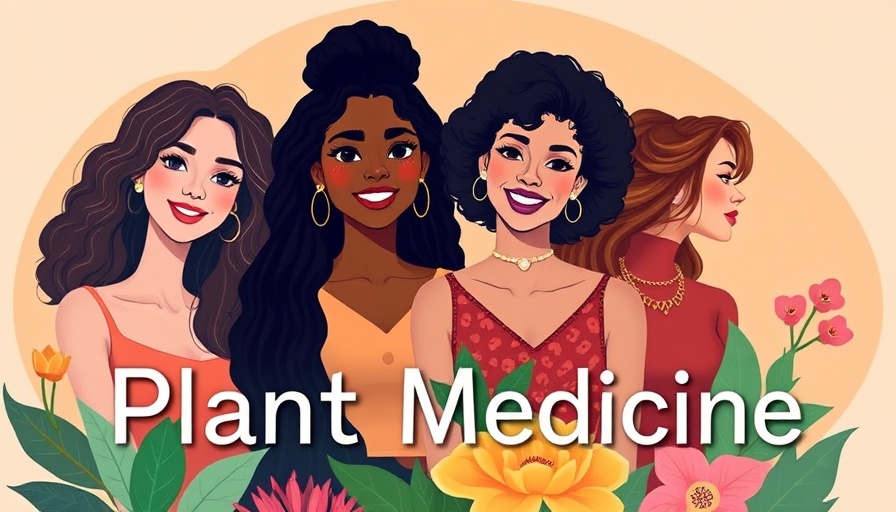
Podcast cover about plant medicine for women in business empowerment.

Understanding Plant Medicine: A Bouquet of Benefits

Plant medicine is making waves across the wellness industry, emerging not just as a trend but as a legitimate practice that empowers individuals to reclaim their health and balance. For women in business, integrating plant medicine into daily routines can offer profound benefits, such as stress reduction, enhanced creativity, and overall emotional resilience. Herbs like ashwagandha and products like CBD are being increasingly embraced for their holistic properties, leading women entrepreneurs to seek alternatives that align with their wellness goals.

The Role of Community in Plant Medicine

Community support plays a pivotal role in the integration of plant medicine. Workshops and gatherings focused on these natural remedies foster a sense of belonging and shared growth. Many women find strength in communal settings where they can discuss their experiences with plant medicine, share tips, and learn from one another. This social connection not only enhances individual journeys but cultivates a dynamic network of support that encourages transparency and openness.

Real-Life Transformations Through Plant Medicine

Many women have reported transformative experiences through the use of plant medicine, ranging from improved mental health to enhanced physical well-being. These narratives are often shared in workshops, podcasts, and social media. The stories resonate profoundly within the business community, particularly for those facing the unique challenges of balancing work and personal life. The stories of successful women who have utilized plant medicine can inspire others to explore these options, paving the way for a more holistic approach to wellness in entrepreneurship.

Bridging Knowledge and Everyday Practice

Integrating plant medicine into daily life requires more than just knowledge; it demands practice. Women in business can benefit from actionable insights into how they can incorporate herbs, supplements, or mindfulness into their routines. Simple practices, such as infusing herbal teas into morning rituals or using essential oils during stressful workdays, can significantly enhance overall wellness. The goal is to make these practices accessible and relatable, ensuring that they are achievable within the busy lives of modern women.

Future Trends in Plant-Based Wellness

The future looks bright for plant medicine as it gains mainstream acceptance. With growing interest among women entrepreneurs, businesses are now beginning to emerge that specifically cater to the wellness needs of women. This could mean a rise in brands focusing on plant-based products or services that prioritize mental health. The potential market for plant medicine in the business sector is enormous and continues to expand as more women realize the benefits.

For women in the business sector, exploring plant medicine could be a transformative journey. As this practice gains popularity, it’s essential to consider both its benefits and challenges, facilitating a balanced approach towards integrating plant wellness into everyday life. Take the step today to discover how plant medicine can redefine your wellness strategy and possibly elevate your professional journey.

health

2 Views

0 Comments

Write A Comment

*
*
Please complete the captcha to submit your comment.
Related Posts All Posts

Public Records Transparency in Cannabis: A Critical Insight into Agency Oversight

Update Understanding Public Records Transparency in Cannabis RegulationThe challenge of achieving transparent governance in the rapidly evolving cannabis industry cannot be underestimated. A recent report from RN Collins highlights the importance of public records transparency as a vital responsibility for both state and federal cannabis regulatory agencies. As these agencies oversee vast amounts of data involving applicants, licensees, and enforcement actions, the public's demand for access to this information grows substantially. From prospective applicants and equity advocates to journalists and members of impacted communities, a wide spectrum of stakeholders relies on these records to make informed decisions.The Balance of Transparency and ConfidentialityPublic agencies often face the dilemma of providing transparency while also safeguarding sensitive commercial information such as trade secrets and security plans. This intrinsic conflict is crucial in the context of cannabis regulation, where concerns over confidentiality must be balanced with the spirit of the Freedom of Information Act (FOIA). Recent case studies illustrate significant shortcomings in how federal agencies like the DEA, HHS, and FDA manage their transparency obligations, especially when handling vital information such as the scheduling of cannabis products, which can fundamentally alter the legal landscape of the industry.Federal Agencies Under ScrutinyThe handling of the recent HHS recommendation letter regarding marijuana's rescheduling serves as a prime example. Despite its public significance, federal agencies responded to numerous FOIA requests with heavily redacted documents, often citing exemptions that critics argue hinder scrutiny and accountability. This situation underscores the need for reform in how agencies manage public disclosures, particularly as the cannabis industry matures and more data becomes crucial for various stakeholders.State-Level Advances in Cannabis TransparencyOn the state level, ongoing legislative efforts exhibit a growing inclination towards transparency. For instance, Connecticut's proposed HB 5350 seeks to reverse exemptions around ownership changes in cannabis establishments, aiming to increase public understanding of cannabis market dynamics. This proposed bill echoes sentiments expressed in ongoing discussions about equitable access to cannabis ownership data, reflecting broader societal demands for accountability and equity in industries historically mired in secrecy.Locating the Path ForwardAs cannabis regulation continues to evolve, advocacy for improved transparency frameworks will be essential. Enhanced access to public records not only aids compliance for financial institutions navigating the cannabis sector but also supports consumer trust and contributes to responsible governance. Ultimately, fostering a culture of transparency can reduce red tape, promote healthy market competition, and navigate the complex intersection of commercial interests and public accountability.The Importance of Continuous OversightStakeholders must maintain vigilant oversight to ensure that both federal and state agencies meet their transparency obligations effectively. As we witness changes in legislation and agency practices, the responsibility lies in both government and civil society to hold these institutions accountable. The future of the cannabis industry may depend on how well we balance the need for transparency with the realities of commercial confidentiality.

How Good Day Farm Became a Leader in Missouri's Cannabis Industry

Update Good Day Farm: The Arkansas Giant in Missouri's Cannabis SceneWhen Missouri voters embraced recreational marijuana in 2022, they likely did not anticipate the significant influence that Good Day Farm, an Arkansas-based marijuana company, would soon exert over their market. Initially heralded as a transformative step toward legalization, the constitutional amendment inadvertently paved the way for monopolistic practices, due to a key phrase rolling back restrictions that had previously limited a single entity's control over dispensary licenses.With ownership stakes in over 60 of Missouri's 224 dispensary licenses—roughly 27% of the market—Good Day Farm has emerged as a formidable presence, overshadowing many competitors. While the amendment allowed for a maximum of 10% ownership across dispensaries, it enabled Good Day Farm to exploit a network of affiliated businesses, consolidating its power far beyond what voters might have envisioned.Legal Implications: A Cartel AllegationThis landscape has prompted significant legal tension, culminating in a class-action lawsuit spearheaded by Local Cannabis and VIBE against Good Day Farm. Plaintiffs allege the company has orchestrated an “illegal cartel,” manipulating market conditions in ways that contravene Missouri’s antitrust laws. By coordinating supply chains, setting standardized prices, and leveraging collective purchasing power, Good Day Farm is accused of suppressing competition and effectively monopolizing the market.The lawsuit asserts that these practices led to wholesale price depressions exceeding 20%, raising questions about the fairness and legality of the practices employed by Good Day Farm and its umbrella of brands, including CODES, Greenlight, Fresh Karma, and 3Fifteen Primo.Consumer Choices and Market CompetitionThe emergence of Good Day Farm has not only influenced market dynamics but also impacted consumer choice. By primarily stocking dispensary shelves with their own products, they limit the availability of offerings from independent cultivators and manufacturers, effectively sidelining smaller players and reducing the diversity of products available to consumers. This situation fosters a marketplace where independent businesses struggle to survive against the weight of a colossal corporation.Historical Context: The Rise of the Cannabis MarketUnderstanding the expansion of Good Day Farm within Missouri’s cannabis scene requires a look at the broader historical context. Legalization efforts across the U.S. have frequently encountered similar pitfalls, where legal frameworks fail to adequately anticipate and mitigate monopolistic behaviors in burgeoning markets. In Missouri, the initial enthusiasm for legalization swiftly faced a challenge as businesses aimed to capitalize on legislative loopholes.The Future of Missouri's Cannabis MarketAs the legal battles unfold, the future of Missouri’s cannabis market hangs in the balance. The outcome of this lawsuit could have far-reaching implications not only for Good Day Farm but also for the State's regulatory environment moving forward. If the allegations hold true, Missouri may be tasked with developing more stringent oversight mechanisms to ensure a competitive and fair marketplace for all cannabis-related businesses.Empowering Consumers: What You Can DoFor consumers and small businesses alike, staying informed about who controls the dispensaries in your area is crucial. Understanding the dynamics at play can empower consumers to make more informed choices while encouraging support for local businesses over larger corporations. Engaging with local advocacy groups dedicated to maintaining fair practices in the cannabis industry also provides a platform for concern and action.In conclusion, the scrutiny surrounding Good Day Farm may very well redefine the dynamics of Missouri’s cannabis market. Consumers, stakeholders, and lawmakers must remain vigilant as the situation unfolds, ensuring that the spirit of legalization honors the competitive landscape envisioned by Missouri voters.

Military Court Overturns Conviction: The Hemp and Marijuana Divide

Update Understanding the Ruling: A Turning Point in Military Drug PolicyThe recent decision by the Air Force Court of Criminal Appeals, which overturned Airman Chance Byrd's conviction for wrongful use of a controlled substance, has sparked conversations about the evolving legal landscape surrounding hemp and marijuana. This case is particularly significant as it illustrates the conditions under which service members are held accountable for drug use and the complexities introduced by the recent changes in cannabis legislation.Historical Context: The Hemp vs. Marijuana DistinctionUntil relatively recently, a clear demarcation has been made between hemp and marijuana in U.S. law, with the 2018 Farm Bill legalizing hemp and product derivatives containing less than 0.3% THC. However, as understanding of cannabis continues to evolve, military regulations lag behind, leading to ambiguities such as those in Byrd's case. This decision highlights the historical misalignment between federal law and military those service members are expected to follow, which could be the beginning of a shift in policy considerations.Implications for Service Members and Military Drug TestingThe ruling could lead to broader implications for military personnel who test positive for THC-8, a substance often derived from legal hemp. With the courts indicating that the evidence did not support the claim that Byrd knowingly consumed a controlled substance, the ruling serves as a crucial point of reference for future cases. Military courts may need to refine their testing policies and adjudications to align with current laws surrounding hemp.Future Predictions: A Changing Landscape for Military RegulationsShould the military choose to adapt its policies in light of this ruling, we may see a more nuanced approach toward the detection and consequences of using cannabis-derived products. As public attitudes change and legalization efforts gain momentum across the United States, military regulations will likely confront these societal shifts or continue to face scrutiny regarding their consistency and fairness.Actionable Insights for Service MembersThe Byrd case underscores the importance of being informed about drug use policies in the military. Service members must exercise caution when using any products derived from cannabis, including those marked legal, to avoid potential legal and administrative repercussions. Seeking clarity on regulations and staying updated on changes will be vital tools for navigating this uncertain terrain.Conclusion: The Path ForwardAs the legal landscape surrounding cannabis continues to develop, the military will need to navigate these waters carefully. Byrd’s case may catalyze significant changes that affect how drug use is regulated within the armed forces, ensuring that policies remain fair and just for those serving our country.

Terms of Service

Privacy Policy

Core Modal Title

Sorry, no results found

You Might Find These Articles Interesting

T
Please Check Your Email
We Will Be Following Up Shortly
*
*
*