
Add Row
Add Element
cropper
update
National Cannabis Newswire
update
Add Element
  • Home
  • Categories
    • news
    • trends
    • insights
    • industry
    • legalization
    • health
    • culture
    • advocacy
    • Brands
    • New Mexico Dispensaries
    • Arizona Dispensaries
September 01.2025
2 Minutes Read

Curaleaf Launches First CE-Certified Medical Cannabis Inhaler in the UK

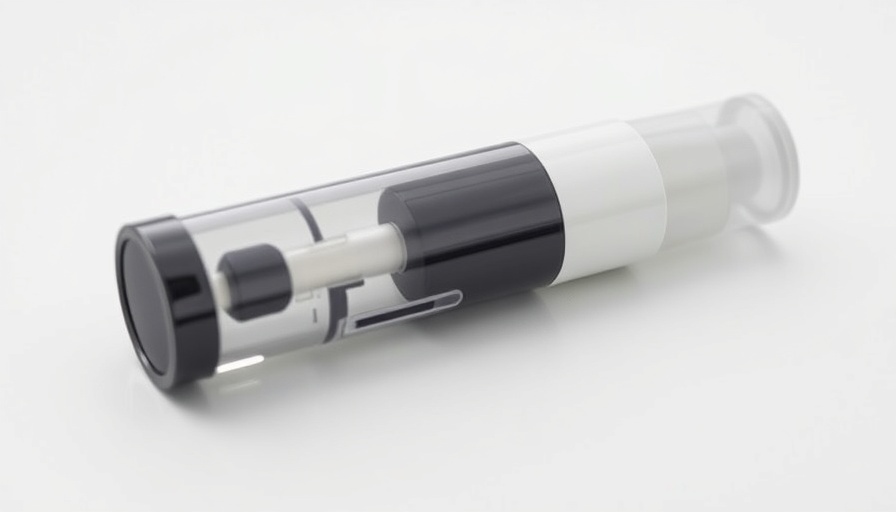
CE-Certified Medical Cannabis Inhaler device on a white background.

A Revolutionary Step in Medical Cannabis

Curaleaf, a prominent player in the cannabis sector, has made headlines by launching the UK’s first CE-certified liquid medical cannabis inhaler. This groundbreaking product promises to enhance the delivery method of medical cannabis, making it more accessible and efficient for patients in need.

What Sets the Curaleaf Inhaler Apart?

The CE certification indicates that the inhaler complies with EU safety, health, and environmental protection standards. This regulatory approval is monumental as it underscores Curaleaf's commitment to quality and safety in a rapidly evolving market where patients are increasingly seeking reliable options for their medicinal needs.

The Importance of Accessibility in Medical Cannabis

The launch of this inhaler comes at a crucial time when the UK is navigating the complexities of medical cannabis regulation. According to recent data, a growing number of patients are turning to medical cannabis for relief from chronic pain, anxiety, and other conditions. With user-friendly devices like the Curaleaf inhaler, patients can experience quick relief without the drawbacks associated with traditional methods, such as smoking.

Broader Implications for the Industry

As Curaleaf pioneers the medical cannabis inhaler space, other companies are likely to follow suit, spurring innovation in cannabis delivery methods. This could lead to more diverse products on the market, benefitting both patients and healthcare providers. Additionally, having CE certification may foster greater trust among healthcare professionals, encouraging them to recommend cannabis-based treatments more universally.

Why This Matters to Cannabis Professionals

This development is vital for executive cannabis professionals who must stay ahead of trends to not only meet patient needs but also align with regulatory frameworks. The Curaleaf inhaler serves as a case study for how the industry can adapt and innovate in response to market demands. Understanding these dynamics is crucial for navigating the future of cannabis in Europe and beyond.

Final Thoughts: The Future of Medical Cannabis

The introduction of the CE-certified liquid medical cannabis inhaler is more than just a product launch; it's a step towards mainstream acceptance of medical cannabis in new markets. As we watch Curaleaf's next moves, all eyes will be on how this technology impacts the patient experience and the broader landscape of cannabis healthcare.

Brands

22 Views

0 Comments

Write A Comment

*
*
Related Posts All Posts

Industry Leaders Respond to Historic Cannabis Rescheduling: What’s Next?

Update A Shift in Cannabis Policy: Industry Leaders Weigh In The rescheduling of cannabis from Schedule I to Schedule III marks a historic milestone for the cannabis industry, unleashing a torrent of responses from leaders across the sector. Following President Trump’s executive order on December 18, 2025, executives, advocates, and lawmakers herald this decision as a pivotal moment that recognizes the medicinal value of cannabis and the need for reform. Historical Significance of Rescheduling Cannabis Moving cannabis to Schedule III breaks the long-standing assumptions about its potential for abuse and medical utility. Prior to this, cannabis was classified alongside the most dangerous drugs that had no approved medicinal uses. According to leaders in the field, this change validates decades of advocacy for recognizing cannabis as a legitimate medical option worth researching and prescribing. In a sense, it begins to rectify what has been viewed for decades as a flawed policy. Immediate Impacts on Access and Research With this new classification, cannabis businesses are expected to gain access to investor funds that have previously been out of reach due to high tax burdens imposed under IRS Section 280E. Many industry leaders believe this will alleviate financial constraints, potentially leading to lower prices for consumers as businesses can pass on the savings from tax relief. According to Trulieve CEO Kim Rivers, this policy shift “represents long overdue change and a major milestone in cannabis reform,” reinforcing the sentiment among stakeholders that cannabis deserves a legitimate place in medicine. Challenges and Next Steps for the Industry However, while rescheduling is a significant step, certain challenges remain. Critics note that cannabis is still restricted under federal law, and true legalization would require additional legislative action by Congress. The move does not eliminate obstacles such as banking discrimination or the ongoing black market for cannabis, which persists as long as legal prices remain out of reach for everyday consumers. What This Means for Patients and Consumers For patients relying on cannabis for pain relief and other medical issues, the rescheduling could enhance access to safe, regulated products. This aligns with comments from industry veterans who have long argued for the extensive therapeutic benefits of cannabis, turning the tide of public perception. As Curaleaf CEO Boris Jordan states, “Rescheduling opens the door to federal reform, medical research, and normalization for an industry that employs hundreds of thousands of professionals.” Broader Implications for the Future of Cannabis Looking ahead, the impact of this rescheduling could extend beyond immediate financial improvements to influencing consumer perceptions and encouraging states to increase their legalization efforts. It represents a challenge to the remaining stigma and indicates a growing acceptance of cannabis use, both recreationally and medicinally. This could trigger further industry growth and the organic evolution of cannabis policy across the globe. Yet, such a future depends on coordinated efforts across the industry, public advocacy for full legalization, and ongoing dialogue with legislators. In conclusion, while the executive order marks a celebratory moment for the cannabis sector, it also signifies the beginning of a new strategy towards comprehensive cannabis reform. As the industry braces for change, stakeholders must work together to push forward, ensuring that marginalized voices are heard and that the promise of this shift extends to all sectors of the community.

Cannabis Company Founder Wins £137K Unfair Dismissal: Key Lessons for Executives

Update The Rise and Fall of Cannim Group The story of Cannim Group's collapse is indicative of both the challenges and opportunities within the fast-evolving cannabis industry. Founded with the intention of being a leader in the CBD market, Cannim faced difficulties that culminated in its downfall, reshaping the landscape for cannabis businesses. A Landmark Unfair Dismissal Case Recently, Jade Proudman, the founder of Cannim Group, secured an impressive £137,000 in an unfair dismissal case. The employment tribunal determined that her termination was unsubstantiated, spotlighting the legal fragility many cannabis businesses face amidst their growth and restructuring phases. This victory not only underscores the importance of employee rights but also shines a light on the managerial challenges in the cannabis sector. Understanding Employee Rights in the Cannabis Industry In an industry still finding its footing, employee rights can sometimes be overlooked. The case of Jade Proudman acts as a wake-up call for cannabis companies to ensure that their practices comply with employment laws. Businesses that neglect this crucial aspect risk not just reputational damage but also significant financial penalties. Professional tempers can run high in volatile environments, making it vital for employers to cultivate a supportive workplace. Future Implications for cannabis Professionals Proudman's case could serve as a harbinger for future legal interpretations within the cannabis space, particularly for small and mid-sized enterprises struggling with governance issues. As the industry matures, executives must be poised to rethink corporate governance frameworks to ensure they adapt alongside shifting regulatory landscapes. Firms that adopt ethical practices stand to gain competitive advantages in increasingly crowded markets. A Community Perspective: The Broader Impact The fallout of Cannim's collapse resonates deeper than just the company itself; it affects local economies, employees, and industry reputations. Community members watching the CBD market should note that while setbacks occur, they can also lead to accountability and stronger ethics across enterprises. As more professionals enter the cannabis space, maintaining integrity and transparency will become essential to fostering a resilient industry. Conclusion: Lessons Learned and Choices Ahead The incredible story behind Jade Proudman's unfair dismissal case serves as a reminder that the cannabis industry is rife with opportunities but not without its hurdles. Business executives must emphasize ethical practices and employee rights to thrive in this evolving landscape. For those in the cannabis sector, now is the time to reflect on their corporate cultures and management strategies as they navigate this unpredictable market. If you are a cannabis professional looking for resources to strengthen your business ethics or to uncover stories of resilience within the cannabis community, reach out to industry peers or connect with thought leaders in your area. Community engagements and collaborations could provide the needed insights for a forward-thinking approach.

Exploring How Private Clinics Can Enhance Veterans' Access to Medical Cannabis

Update Unpacking the Treatment Gap for Veterans The National Health Service (NHS) has been a cornerstone of healthcare in the UK, offering public treatment options for a vast array of conditions. However, for veterans navigating the complexities of chronic pain, PTSD, and other service-related ailments, the existing structures may fall short. With growing dissatisfaction over waiting times and access restrictions, private cannabis clinics have emerged as a potential lifeline, providing timely, specialized care that the NHS currently struggles to supply. Why Medical Cannabis? Understanding Its Value for Veterans Medical cannabis has gained traction as an effective treatment modality for veterans suffering from conditions such as chronic pain and PTSD. According to a study conducted by Project Twenty21, a significant percentage of participants reported a reduction in their symptoms after incorporating cannabis into their treatment plan. This presents a compelling case for its inclusion in more mainstream treatment options for veterans. Private Cannabis Clinics: Filling the Void? Private clinics offering cannabis therapies have risen in response to the clear demand from veterans. These establishments not only expedite the process of accessing medical cannabis but also provide tailored treatment plans that consider the unique needs of this demographic. Reports indicate that many veterans prefer the personalized care found in private clinics compared to the generalized offerings available through NHS. The Future of Cannabis Treatment: Bridging the Gap The question remains: How can the NHS and private clinics coexist to better serve veterans? Some advocates argue for a hybrid model that leverages the strengths of both systems. By collaborating, these healthcare entities could create comprehensive care frameworks that ensure veterans receive timely access to the care they need, blending long-standing public health principles with innovative private sector solutions. Community Echoes: The Human Spirit Behind the Numbers It's essential to recognize the human stories behind these statistics. Many veterans have shared their struggles with the healthcare system, illustrating the emotional toll that inadequate treatment can have on their lives. Through this lens, the promise of private cannabis clinics becomes more than just a business opportunity; it transforms into a vital resource for healing and support. Final Thoughts: A Call to Action As the landscape of medical cannabis evolves, it is imperative for veterans, caregivers, and advocates to remain engaged in the dialogue surrounding health policies. Policymakers must consider the experiences of those they serve, ensuring that access to effective treatments like medical cannabis is not mired in bureaucracy. By exploring these alternative pathways, we have the power to create a more responsive and compassionate healthcare environment for our veterans.

Terms of Service

Privacy Policy

Core Modal Title

Sorry, no results found

You Might Find These Articles Interesting

T
Please Check Your Email
We Will Be Following Up Shortly
*
*
*