

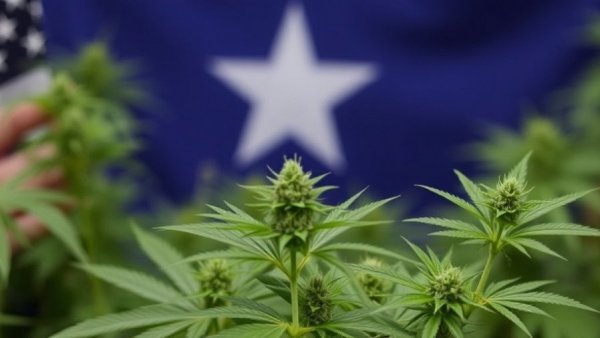
A New Chapter in Texas Politics: Bipartisan Cannabis Cooperation
In an exciting turn of events for Texas, Democratic and Republican officials are gearing up for the 2027 legislative session with a heartfelt aim to reform cannabis policy. This movement comes not long after a historic election that shifted the political landscape of the state, showing a willingness to transcend traditional party boundaries. Elected officials like Lt. Gov.-elect Vikki Goodwin (D) and Rep. Wes Virdell (R) are vocal about their plans on cannabis, suggesting a more united front may be brewing around this pressing issue.
Understanding the Bipartisan Shift
Lt. Gov.-elect Vikki Goodwin, during a recent press conference, emphasized the need for reasonable regulation around THC products, saying, “I’m not interested in a full ban on THC.” With her leadership, there’s hope for crafting sensible legislation that tackles the concerns surrounding THC without punitive bans. This is a notable departure from the previous administration, which had sought strict controls that left many feeling disadvantaged.
Rep. Wes Virdell echoed this sentiment, sharing his belief that cannabis reform is a rare area where both parties can find common ground. He criticized outgoing Lt. Gov. Dan Patrick for his heavy-handed approach to banning hemp THC products, which had detrimental ramifications for small businesses and consumers across Texas. Instead, Virdell is advocating for a more compassionate and rational approach, citing that many individuals suffer unnecessarily due to harsh penalties surrounding minor THC possession.
Why Cannabis Reform Matters
The heart of the matter lies not just in the political posturing but in the impact cannabis legislation has on countless lives in Texas. According to recent polling, a substantial majority of Texans favor legalizing or decriminalizing marijuana. The narrative illustrates a growing trend in public sentiment, where voters are increasingly supportive of progressive reforms.
In urban areas like Houston, voters have taken initiative; their recent approval of a ballot initiative to decriminalize misdemeanor marijuana possession showcases a local appetite for change. This demonstrates a disconnect between prevailing laws and the will of the people, which leaders like Goodwin aim to rectify.
Future of Cannabis in Texas: Predictions and Possibilities
Looking ahead, both incoming leaders are exploring various avenues to expand cannabis access in Texas. Goodwin has publicly championed the expansion of medical marijuana and the possibility of recreational legalization, indicating a willingness to embrace a more progressive stance on these issues.
Gov.-elect Gina Hinojosa has also expressed interest in letting voters decide on legalization via a referendum—a significant move that would empower Texans directly in shaping their own laws. This approach not only respects the democratic process but also aligns state law with the preferences of its citizens.
Breaking Down Barriers: Insights from the Ground
The conversations around cannabis reform are more than legislative debates; they reflect changing attitudes and the influence of grassroots movements. Advocates and activists have been instrumental in pressuring lawmakers to reconsider outdated policies, making a positive impact in communities across Texas.
As Texas continues to navigate this political shift towards cooperation, the cannabis industry is poised for profound transformation. Supporters of reform are watching closely, hopeful that leaders will indeed prioritize the health and well-being of Texans over outdated and draconian measures.
Indeed, these developments illustrate not only the potential for concrete policy changes but also the spirit of bipartisanship that can emerge when common goals unite us. It’s a reminder of how the collective voice of the community can lead to not just legislative success, but a brighter, more equitable future for all Texans.





Write A Comment