

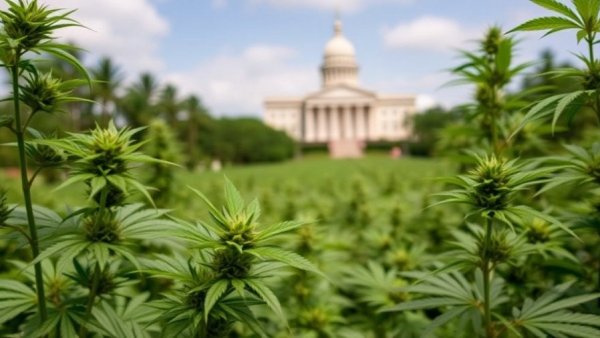
The Ongoing Struggle of Alabama's Medical Marijuana Program
As the landscape of medical marijuana continues to evolve across the United States, Alabama’s medical cannabis program is making headlines for its sluggish progress. With state officials recently announcing that as many as five dispensaries may open by early November, many are left questioning the effectiveness and efficiency of this rollout. What is going on with cannabis in Alabama, and what does it mean for patients and businesses alike?
Challenges in Implementation
The slow rollout of Alabama's medical marijuana program reflects a combination of regulatory hurdles and public sentiment surrounding cannabis. Despite legalization efforts and the eventual approval of medical cannabis use, many potential dispensaries have faced delays due to stringent state regulations and licensing requirements. Critics argue that this can be detrimental to patients seeking immediate access to relief through cannabis treatments.
Patient Perspectives and Industry Implications
For patients who depend on medical cannabis, the slow progression can be frustrating. Many have waited for years and are eager for more accessible options for treatment. The challenges faced by potential dispensaries also impact the broader industry; fewer retail options mean that market growth is stagnant, affecting profits for growers and suppliers. Furthermore, this sluggishness can stifle innovation as Alabama lags behind other states in advancing cannabis business models.
Looking Ahead: Future Trends
It’s essential to consider what this slow rollout indicates for future trends in the cannabis industry. As states with more efficient systems continue to flourish, Alabama may need to reassess its regulations to avoid losing ground. Learning from successful medical marijuana programs could provide invaluable insights into potential solutions that foster a more accessible and profitable industry.
The Broader Impact of Regulatory Hurdles
Similar to other regions facing regulatory challenges, Alabama's struggle to implement its program raises critical questions about the effectiveness of cannabis laws nationwide. As advocates push for more streamlined processes, it remains to be seen how the local government will respond. Advocates emphasize the importance of observable reform to ensure that patients can receive the care they need without unnecessary barriers.
Conclusion: The Call for Action
Only time will tell how Alabama's medical marijuana program will evolve. With ongoing debates regarding cannabis regulations taking center stage, it is crucial for stakeholders—patients, industry professionals, and advocates—to keep pressing for necessary changes. This means amplifying voices that demand efficient systems that prioritize patient needs and industry growth. For those following these developments, understanding the intricacies of Alabama’s medical marijuana landscape is vital. It encourages advocacy that could reshape the future of cannabis in the state and beyond.





Write A Comment