
Add Row
Add Element
cropper
update
National Cannabis Newswire
update
Add Element
  • Home
  • Categories
    • news
    • trends
    • insights
    • industry
    • legalization
    • health
    • culture
    • advocacy
    • Brands
    • New Mexico Dispensaries
    • Arizona Dispensaries
August 05.2025
2 Minutes Read

88 Years of Federal Marijuana Prohibition: Why It’s Time to End It Now!

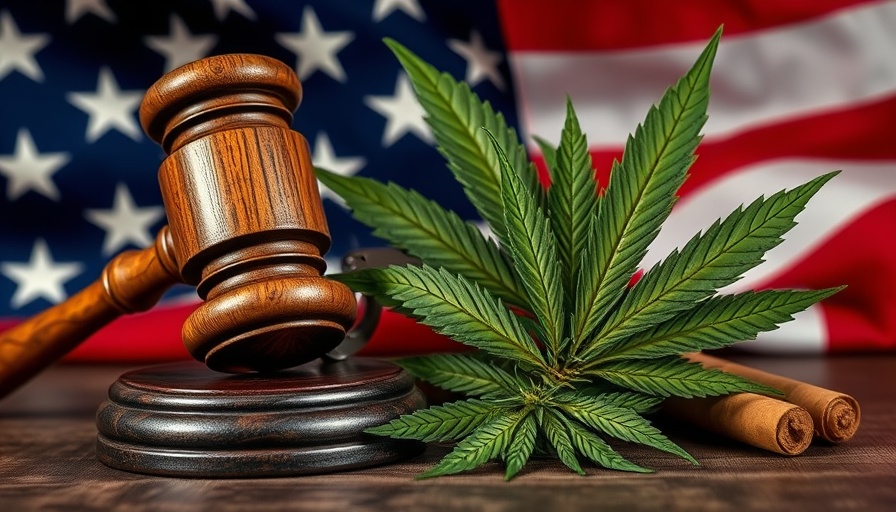
Symbolic image of federal marijuana prohibition with cannabis and legal elements.

The Long Shadow of Marijuana Prohibition

This Saturday, August 2nd, marks not just another day on the calendar, but the 88th anniversary of the Marihuana Tax Act, the cornerstone of federal marijuana prohibition in the United States. Since its enactment in 1937, federal policies surrounding cannabis have been enveloped in a veil of misinformation, bias, and exaggerated claims, many of which were propagated by figures like Harry J. Anslinger, the nation’s first ‘Drug Czar.’ His campaigns relied heavily on targeting marginalized communities, contextualizing cannabis use as a public menace often tied to violence and crime.

From Stigmatization to Legalization: A Paradigm Shift

The social stigma around cannabis is deeply rooted in historical contexts riddled with racial stereotyping. For instance, the New York Times ran sensational stories in the 1920s that painted cannabis users as dangerously unstable, a narrative that laid the groundwork for public fear and legislative action. This propaganda fueled a narrative that linked cannabis consumption with moral decay and social chaos, especially among communities of color. Even as societal views are progressively shifting towards support for legalization, the shadow of past injustices remains palpable.

Redefining the Cannabis Conversation

As we reflect on these 88 years of prohibition, it's worth noting the significant amount of evidence that contradicts the early claims surrounding cannabis. Studies continue to unveil its therapeutic properties, ranging from pain relief to treatments for anxiety and epilepsy. Yet, despite this, cannabis products remain classified as a Schedule I substance alongside heroin, contributing to unnecessary arrests and legal entanglements for millions. The cycle of misinformation has perpetuated a culture of criminalization and division.

Current Trends and Future Outlook

The cannabis industry is rapidly evolving, with many states officially legalizing marijuana for both medicinal and recreational use. This paradigm shift not only reflects changing sentiments among the public but also calls on policymakers to reconsider outdated laws that no longer serve their intended purpose. Recent polls indicate that over 60% of Americans support cannabis legalization, signaling a robust push for reform that is beginning to gain traction at the federal level.

Call to Action for Advocacy

For cannabis legalization enthusiasts, the anniversary of federal prohibition offers a vital opportunity to lobby for change. Advocates should engage with local representatives, promote educational resources about the benefits of cannabis, and support organizations that are fighting for reform. Mobilizing community efforts can help dismantle the remnants of bias and misinformation still prevalent in today’s discourse.

Conclusion

As we stand on the cusp of potentially profound legislative change, understanding the history behind marijuana prohibition sheds light on the need for continued advocacy and education. It is clear that the journey towards legalization is intertwined with social justice, health equity, and economic opportunity. Let’s continue to push for a future where cannabis is recognized for its benefits and no longer stigmatized by outdated myths.

advocacy

1 Views

0 Comments

Write A Comment

*
*
Please complete the captcha to submit your comment.
Related Posts All Posts

Why a Judge Warns Cannabis Is Not a Soft Drug in Tasmania

Update Judge's Warning: Cannabis is Far from a Soft Drug Recent events in Tasmania have highlighted the continuing debate over cannabis and its legal status. A judge has unequivocally stated that cannabis should not be considered a soft drug, positioning it firmly within the realm of serious legal consequences. This statement was made during the sentencing hearing of a George Town man accused of cannabis trafficking. The judge emphasized the potential harm and societal impact of this drug, which remains illegal under state laws despite increasing calls for legalization and decriminalization across Australia. Legal Landscape Surrounding Cannabis in Tasmania The legal framework governing drug offences in Tasmania is complex, drawing from various acts including the Poisons Act 1971 and the Misuse of Drugs Act 2001. According to the Hobart Community Legal Service, cannabis is classified under the controlled plants section of these laws, which outlines strict penalties for possession, supply, and trafficking. For instance, possession of more than 50 grams can lead to criminal charges, while up to three cautions can be issued for smaller quantities before facing formal charges. Cannabis Regulations: A Harsh Reality In Tasmania, drug offences come with serious ramifications. The penalties for trafficking cannabis can be as harsh as 21 years in prison, while possession of equipment for growing or using cannabis also carries significant penalties. The state’s approach reflects a legal interpretation that does not differentiate between the various substances in terms of potential harm. This is a stark contrast to regions where cannabis is either decriminalized or legalized, showcasing a growing tension within Australian society regarding cannabis laws. The Cannabis Debate: Public Opinion and Future Trends As public opinion shifts in favor of legalization, there is a growing grassroots movement advocating for changes to cannabis laws in Tasmania. A significant segment of the population believes that personal use should be decriminalized and regulated similarly to alcohol. Some argue that the criminalization of cannabis not only stigmatizes users but also distracts law enforcement from addressing more severe drug-related issues. Future trends suggest that Tasmania may need to reconsider its cannabis laws. Advocacy groups are pushing for policy reforms that align with more progressive attitudes now observed in other parts of Australia, such as New South Wales and Victoria. These changes underscore a desire for a balanced approach that recognizes both the potential therapeutic benefits of cannabis and the necessity of public safety. Implications for the Cannabis Industry and Community Health With the conversation around cannabis evolving, it presents unique challenges and opportunities for the local cannabis industry. Legalization could lead to increased employment opportunities and tax revenue, while regulations could ensure quality and safety for consumers. However, for the time being, those involved in the cannabis industry in Tasmania must navigate a complex legal framework that considers cannabis a serious threat rather than a potential economic asset. Communities are also beginning to recognize the potential health benefits of cannabis as part of a broader approach to managing healthcare. Discussions about medical cannabis use are gaining traction, with suggestions that it could play a crucial role in pain management and mental health improvement for community members.

Unlocking Potential in the Spore Economy: How Mushrooms Are Transforming Communities

Update The Hidden Goldmine: Understanding the Spore Economy The world is embracing mushrooms like never before, transcending their role from mere culinary delights to vital components of a burgeoning economic ecosystem known as the "spore economy." This evolution is not only reshaping the landscape of food and health but also fostering community growth and environmental sustainability. A Mushroom Renaissance: The Facts Behind the Trend According to recent reports, the U.S. mushroom market is booming, with sales hitting 702 million pounds and generating over $1 billion in value in the last year. This represents a significant increase in consumer interest, especially regarding specialty varieties like shiitake and lion's mane that offer unique flavors and health benefits. As the industry is projected to grow to nearly $3 billion by 2030, it is clear that mushrooms are capturing more than just the palates of health-conscious eaters—they are engaging local economies and promoting sustainability. Health Is Wealth: The Nutritional Power of Mushrooms Mushrooms are becoming increasingly recognized for their health benefits, rich in antioxidants, vitamins, and minerals while being low in calories. They offer not only a flavorful addition to many dishes but also serve as a plant-based protein alternative as more individuals shift towards vegetarian and vegan diets. The nutritional profile of mushrooms makes them an ideal choice for consumers aiming for a healthier lifestyle. Sustaining Communities: The Economic Impact of Mushrooms The mushroom industry does not merely impact individual health; it also supports local economies. In fact, the sector supports over 21,000 jobs in the U.S. alone and significantly enriches communities through local sourcing and farmer markets. By prioritizing local farms, consumers are not just buying mushrooms; they are investing in their local economies and fostering a sense of community. Encouragingly, 82% of consumers show a preference for locally sourced mushrooms, enhancing neighborhood relationships and supporting entrepreneurs. Future Insights: Mushrooms as Eco-Friendly Superstars Continuing innovation in mushroom cultivation and biotechnology is revealing mushrooms' potential beyond just food. Researchers are exploring mushrooms' applications in bioremediation, creating biodegradable materials, and even providing solutions for environmental cleanup. As discussions around sustainability become increasingly relevant, mushrooms are surfacing as an eco-friendly option that can contribute substantially to solving global challenges. Actionable Insights: Embracing the Spore Economy For readers interested in participating in or learning more about the spore economy, consider visiting local farmer’s markets where they can meet small mushroom growers and explore what mushrooms are available in their area. Additionally, incorporating a wider variety of mushroom types into your diet can offer both culinary excitement and health benefits. Engage with local initiatives that promote sustainability and support your community's growth through consumer choice. Through understanding and advocating for mushroom consumption, individuals can play a part in this transformative economic movement. Whether interested in their health benefits, economic impact, or sustainability, mushrooms hold significant promise for the future.

No Measurable Next-Day Cognitive Effects from Cannabis Use: What It Means for Enthusiasts

Update Rethinking Cannabis and Cognitive Impact: A New Perspective Recent studies have upended conventional narratives surrounding cannabis use, particularly regarding its cognitive effects. Traditionally associated with impairments, a notable new study suggests there are no measurable next-day cognitive effects following cannabis use. This finding presents a fascinating opportunity for cannabis legalization enthusiasts, inviting a deeper exploration of the implications for users across age demographics. Understanding the Nuances of Cannabis Use The focal study revealed that **cognitive functions**, as measured the day after cannabis consumption, did not show significant impairment, challenging long-held stereotypes about the drug. This aligns with findings from other research which highlight that older adults—who are increasingly using cannabis—often experience beneficial cognitive effects, including improvements in memory and processing speed. As more individuals over 40 turn to cannabis for various reasons, including chronic pain relief and sleep aid, it’s crucial to understand the long-term implications on cognitive health. Exploring Cannabis Use in Older Adults Studies involving older participants indicate intriguing correlations between **cannabis use and brain health**. For instance, research from CU Anschutz highlights that older adults who use cannabis often display larger brain volumes and maintain **better cognitive function** than their non-using peers. This suggests a potential protective effect against cognitive decline, particularly as they navigate aging processes. These insights challenge traditional perceptions of cannabis as purely detrimental, instead presenting it as a factor that might, in moderation, support mental acuity and potentially mitigate dementia risks. The Bigger Picture: Cannabis in Society As legalization efforts span across North America, understanding the cognitive ramifications of cannabis use becomes ever more important. Legalization advocates often emphasize the medicinal benefits of cannabis, spotlighting its utility in pain management and mental health. However, the narrative is evolving. With studies demonstrating positive cognitive outcomes, the conversation shifts towards cannabis as a potentially integral part of a healthy lifestyle rather than a mere vice. Future Trends in Cannabis Research As our understanding of cannabis deepens, we can anticipate a growing body of research that explores its broader impacts on public health. Future studies may investigate the differential effects of cannabis strains, concentrations of THC and CBD, and consumption methods—offering a more comprehensive picture of how cannabis interacts with human cognition. Furthermore, with the integration of robust longitudinal studies, we might uncover long-lasting impacts that could reshape social policies surrounding cannabis. Take Action: Engage with the Movement The evolving landscape of cannabis research calls for active engagement from legalization enthusiasts. Whether through advocacy, education, or simply staying informed about the emerging evidence, every individual can play a role in shaping the narrative around cannabis. Understanding its range of effects and potential benefits opens the door for better public policies and societal acceptance.

Terms of Service

Privacy Policy

Core Modal Title

Sorry, no results found

You Might Find These Articles Interesting

T
Please Check Your Email
We Will Be Following Up Shortly
*
*
*